Approved Marian Apparitions
Historical, Scientific, and Miraculous Insights
1. Our Lady of Guadalupe
Date & Location: December 9–12, 1531, Tepeyac Hill, Mexico City, Mexico
Historical Context
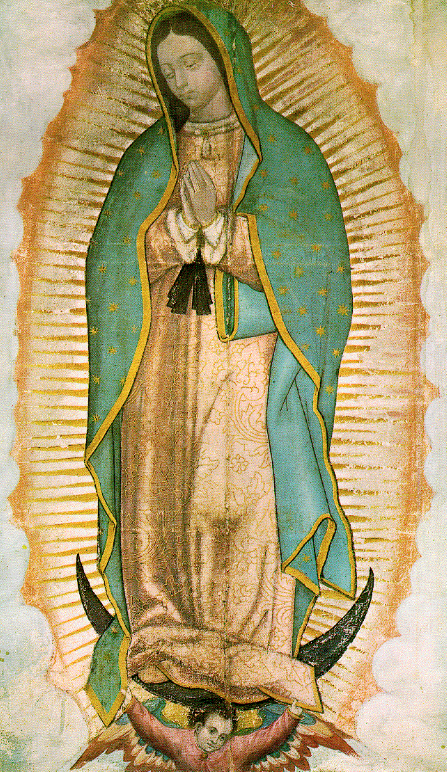
The apparition occurred shortly after the Spanish conquest of Mexico (1521), a time when indigenous peoples were struggling with cultural suppression and evangelization. Juan Diego, a humble Aztec man, was chosen as the recipient. Mary appeared as a mestiza woman, blending European and indigenous features, symbolizing her accessibility to both Spanish colonizers and native peoples. She requested a church to be built at Tepeyac Hill, which became the Basilica of Our Lady of Guadalupe, the most visited Catholic shrine in the world. The apparition is credited with mass conversions: by 1595, roughly 9 million native people had converted to Christianity. The story played a key role in integrating indigenous culture into the Catholic faith, preserving native traditions while promoting Christian teachings.
Scientific Observations
- The tilma is made of agave cactus fibers, which usually decay within 20–30 years, yet it has lasted almost 500 years.
- The image colors are not consistent with any known natural or synthetic pigments, suggesting they were not painted by human hands.
- Detailed analysis of the eyes reportedly shows reflections of people present at the apparition, including Juan Diego.
- Infrared and ultraviolet tests reveal no underlying sketches or alterations, adding to the mystery.
- The image contains astronomical symbols: her mantle stars correspond to the constellation patterns of December 12, 1531, and her belt resembles the moon at that time.
Miracles
- Many pilgrims report healings of chronic illnesses after visiting the Basilica.
- The tilma itself has survived for centuries in extreme environmental conditions, defying natural decay.
- Massive conversions of indigenous people and unification under the Catholic faith.
- Mary became a cultural and spiritual symbol for Latin America, inspiring devotion and social unity.
Church Approval & Legacy
Pope Benedict XIV officially recognized the devotion in 1754. Pope John Paul II declared her Patroness of the Americas in 1999, emphasizing her role as a symbol of unity and evangelization. The Basilica of Guadalupe is now the most visited Catholic shrine in the world, attracting over 20 million pilgrims annually. Feast Day: December 12.
2. Our Lady of Lourdes
Date & Location: February 11 – July 16, 1858, Lourdes, France
Historical Context
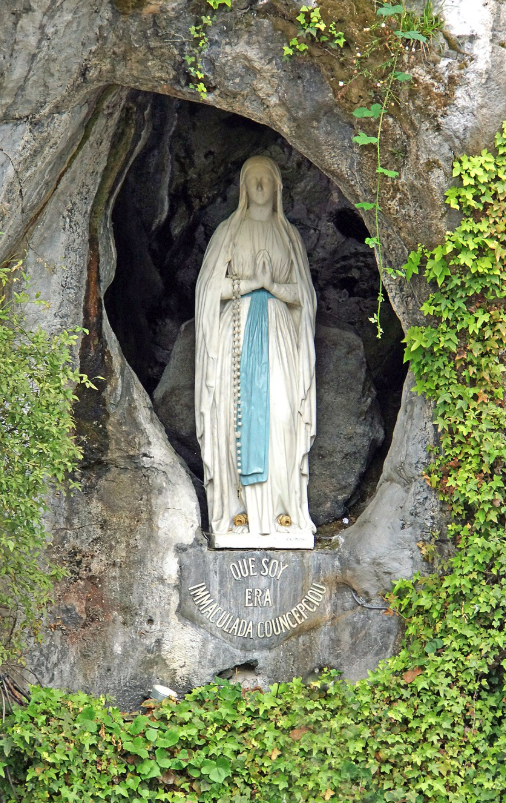
The apparitions occurred in post-revolutionary France, a time when the Catholic Church was rebuilding after decades of anti-religious sentiment during the French Revolution. Bernadette Soubirous, a 14-year-old peasant girl from Lourdes, reported 18 apparitions of the Virgin Mary in the Massabielle Grotto. Mary appeared to her as a humble young woman, identifying herself as the "Immaculate Conception," which was only formally defined as dogma four years earlier in 1854 by Pope Pius IX. Mary instructed Bernadette to dig in the ground, which led to the discovery of a spring with water that would become the center of healing and pilgrimage. The apparitions drew attention to faith, humility, and the importance of prayer, especially during a period of social upheaval.
Scientific Observations
- The spring water from the grotto contains minerals naturally found in the region but is linked to thousands of medically inexplicable cures documented over more than 150 years.
- The Lourdes Medical Bureau, established in 1883, rigorously investigates reported healings, requiring strict medical documentation and verification before declaring a miracle.
- To date, over 70 cures have been officially recognized as miraculous by the Church, including cases of paralysis, blindness, and severe chronic illnesses that had no scientific explanation for recovery.
- Water samples have been studied and show no unusual chemical or pharmaceutical properties that could account for the healing effects.
- Researchers note that many cures involve conditions where spontaneous remission is extremely rare, making natural recovery statistically improbable.
Miracles
- Healing of paralysis and spinal cord injuries considered incurable by modern medicine.
- Recovery from blindness and other sensory impairments without medical explanation.
- Cancers and chronic illnesses reportedly cured after immersion or drinking of Lourdes water.
- Emotional and spiritual conversions, strengthening faith among pilgrims and witnesses.
Church Approval & Legacy
Bishop Bertrand-Sévère Laurence approved the devotion in 1862 after careful investigation, confirming Bernadette’s credibility and the supernatural character of the apparitions. The Sanctuary of Our Lady of Lourdes has grown into one of the most important pilgrimage sites in the world, attracting approximately 6 million visitors annually. Pilgrims participate in bathing in the spring, prayer, and processions, seeking spiritual and physical healing. Feast Day: February 11. Pope John Paul II visited Lourdes twice, highlighting its importance for the universal Church and its focus on faith, healing, and devotion to the Immaculate Conception.
3. Our Lady of Fatima
Date & Location: May 13 – October 13, 1917, Fatima, Portugal
Historical Context
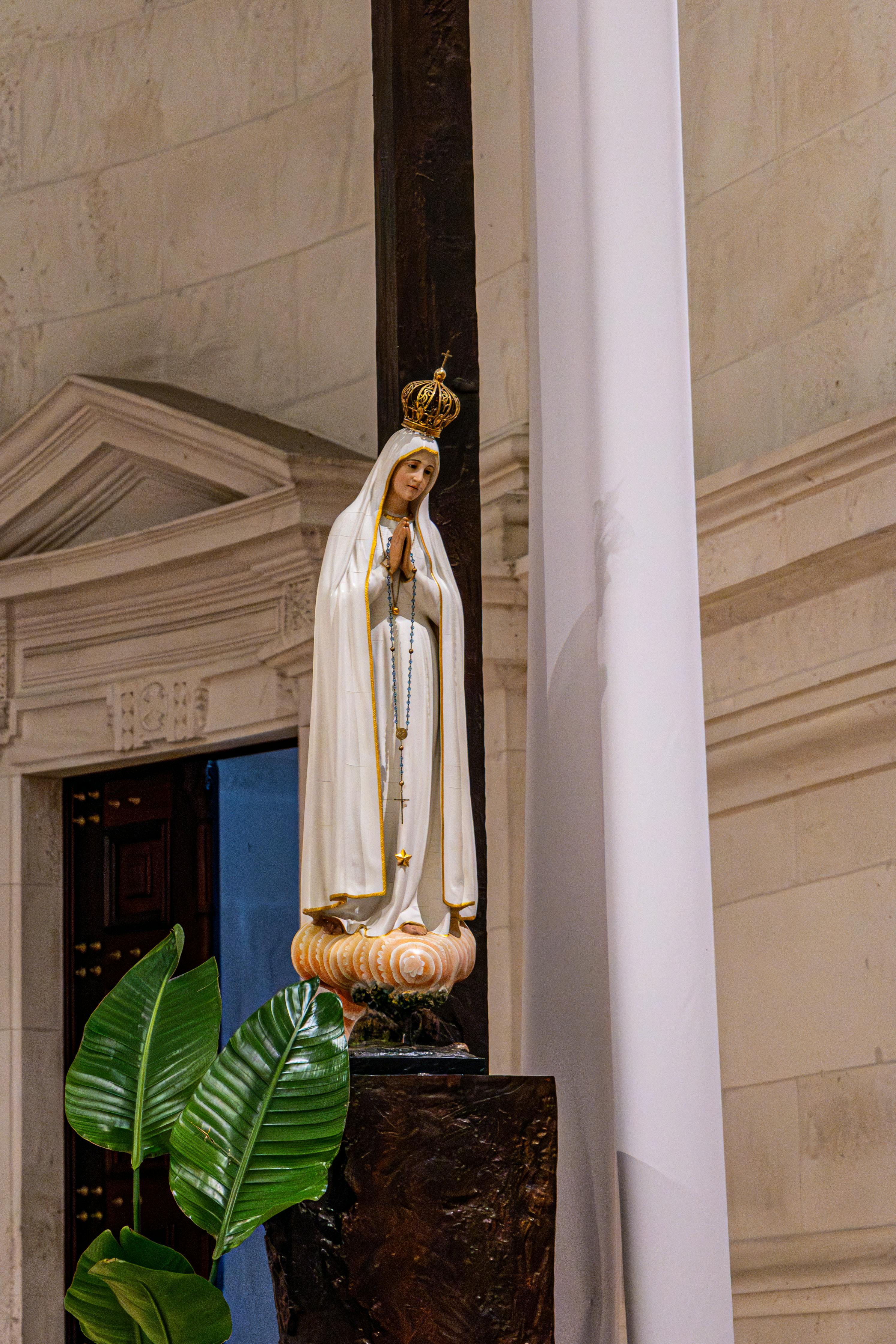
During World War I, three shepherd children—Lúcia dos Santos and her cousins Francisco and Jacinta Marto—reported a series of Marian apparitions in Fatima, Portugal. Mary appeared to the children, urging prayer, penance, and devotion to her Immaculate Heart to bring peace to the world. She entrusted them with the “Three Secrets of Fatima,” which included visions of hell, predictions of future wars, and requests for the consecration of Russia. The apparitions occurred in a time of global conflict, political upheaval, and anti-religious sentiment, highlighting Mary’s call for spiritual renewal and peace.
Scientific Observations
- The most famous phenomenon, the “Miracle of the Sun,” occurred on October 13, 1917, witnessed by an estimated 70,000–100,000 people. Observers reported the sun spinning, changing colors, zigzagging in the sky, and appearing to descend toward the earth.
- No meteorological, astronomical, or optical explanation fully accounts for the synchronized mass observations documented in newspapers, photographs, and personal testimonies.
- Eyewitness reports describe sun-related phenomena affecting people at the same time despite varying angles of vision, making conventional explanations scientifically challenging.
- Scientific studies suggest the sun’s movements were observed visually, but no instruments recorded extraordinary solar activity, reinforcing the supernatural character of the event.
Miracles
- Healing of Francisco and Jacinta from the 1918 influenza pandemic, shortly after the apparitions.
- Physical cures reported at the Sanctuary of Fatima, documented by the local diocesan commission.
- Mass conversions and return to the faith of thousands of people influenced by the message of Fatima.
- The conversion of hardened skeptics and political leaders inspired by Mary’s message and subsequent devotion.
Church Approval & Legacy
Bishop José Alves Correia da Silva officially approved the apparitions in 1930 after careful investigation of the events and the credibility of the children. The Sanctuary of Our Lady of Fatima has since become one of the largest pilgrimage sites in the world, attracting over 5 million pilgrims annually. Pilgrims participate in processions, prayers, and acts of penance in alignment with Mary’s instructions. The feast day is celebrated on May 13, and the apparitions continue to inspire devotion to the Immaculate Heart of Mary and the importance of prayer for world peace.
4. Our Lady of La Salette
Date & Location: September 19, 1846, La Salette, France
Historical Context
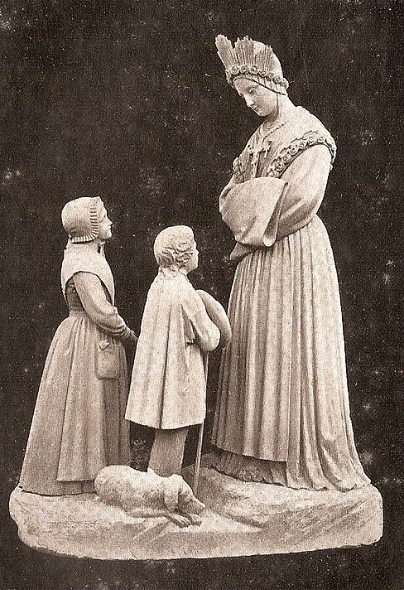
Two children, Maximin Giraud (11) and Mélanie Calvat (14), reported seeing the Virgin Mary crying on a mountainside in La Salette, France. Mary’s message emphasized the need for reconciliation with God, penance, and observance of Sunday as a holy day. The apparition occurred in post-revolutionary France, a time of declining religious practice and anti-clerical sentiment, highlighting Mary’s urgent call for spiritual renewal. She warned of famine, social unrest, and the consequences of sin if people failed to repent.
Scientific Observations
- The children accurately predicted social and agricultural hardships that later occurred, including crop failures and local unrest, suggesting prophetic insight beyond their knowledge or education.
- Both Maximin and Mélanie were from humble, rural backgrounds and had little formal schooling, making it highly unlikely they could have fabricated complex future events or messages.
- Eyewitness testimonies from locals corroborate that the children were visibly distressed and sincere during the apparition, with descriptions of Mary’s tears and expressions consistent across accounts.
Miracles
- Several sick children reportedly experienced sudden and inexplicable healings after visiting the apparition site and praying in devotion to Our Lady of La Salette.
- Spiritual conversions were noted among the local population, with a notable increase in church attendance and personal piety following the apparition.
Church Approval & Legacy
After careful investigation, Bishop Philibert de Bruillard of Grenoble approved the apparition in 1851. The Sanctuary of La Salette has since become a center for pilgrimage, prayer, and penance, attracting thousands annually. The feast day is celebrated on September 19, honoring Mary’s message of reconciliation, conversion, and devotion to God’s commandments.
5. Our Lady of Knock
Date & Location: August 21, 1879, Knock, Ireland
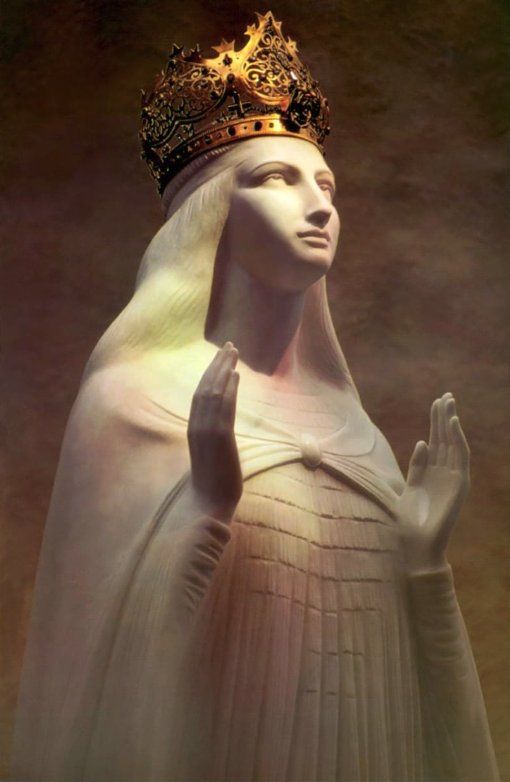
Historical Context
On a rainy evening in Knock, County Mayo, fifteen people of all ages reported seeing an apparition of the Blessed Virgin Mary, accompanied by St. Joseph and St. John the Evangelist, on the south gable of the local parish church. This occurred during a period of hardship in rural Ireland, marked by poverty, crop failures, and lingering effects of the Great Famine. The apparition conveyed silent witness to God’s presence, inspiring hope, faith, and spiritual renewal among the local population. The vision lasted approximately two hours, during which witnesses described the figures as luminous and serene.
Scientific Observations
- Observers described bright, glowing figures with no apparent source of light, unexplainable by natural phenomena of the time.
- Witnesses reported that the images remained clearly visible despite heavy rain, with no water affecting their clarity—a phenomenon difficult to explain scientifically.
- Multiple independent eyewitness accounts were cross-checked; all described the apparition in similar detail, lending credibility to their testimonies.
- Medical and social records from the area note a significant increase in religious devotion and mental peace among locals after the apparition, suggesting a profound psychosocial impact.
Miracles
- Numerous healings have been reported at Knock over the decades, ranging from physical illnesses to spiritual restoration.
- Many pilgrims testify to conversions and strengthened faith after visiting the shrine.
Church Approval & Legacy
After careful diocesan inquiry, the Archbishop of Tuam formally approved the apparition in 1976. Knock Shrine has since become a national and international pilgrimage site, attracting hundreds of thousands of visitors yearly. The feast day of Our Lady of Knock is celebrated on August 21, commemorating the silent yet profound call to faith and trust in God.
6. Our Lady of Pontmain
Date & Location: January 17, 1871, Pontmain, France
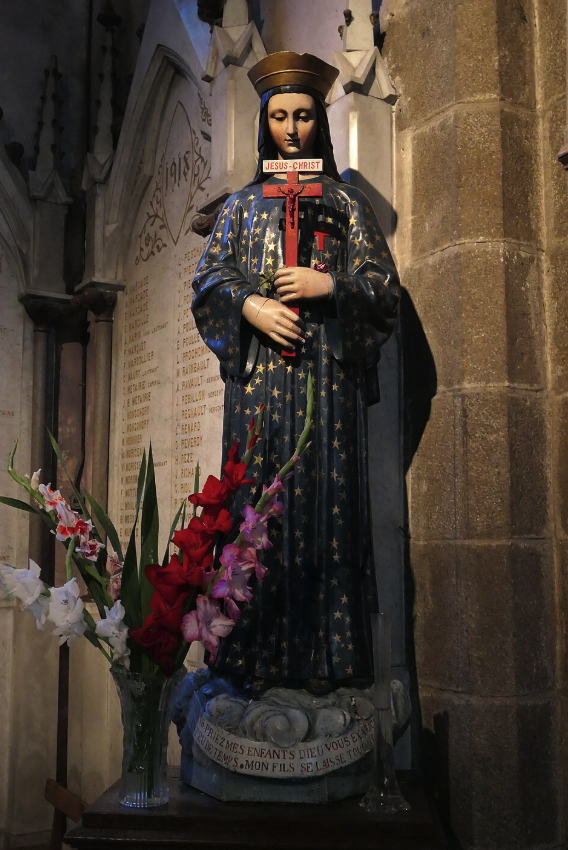
Historical Context
During the Franco-Prussian War, the small village of Pontmain faced imminent threat as Prussian troops advanced through the region. Six-year-old Eugene Barbedette, along with his sister and cousin, reported seeing a vision of the Blessed Virgin Mary appearing above the village. Mary appeared clothed in blue with golden stars, raising her arms in prayer, and seemed to convey peace and protection to the frightened villagers. The apparition lasted about thirty minutes, inspiring hope and confidence in the local population, who were in fear of invasion and destruction.
Scientific Observations
- The apparition was accompanied by a bright, radiant light that persisted for approximately thirty minutes with no identifiable natural source.
- The phenomenon was observed from multiple locations in the village, including by adults, not just the children.
- No atmospheric or astronomical explanation has fully accounted for the uniformity and clarity of the apparition.
- Eyewitness accounts documented the consistency of the image and gestures seen by multiple observers at varying distances, strengthening credibility.
Miracles
- The French troops unexpectedly retreated, and the village was spared from invasion. Many attributed this protection to the intercession of Mary.
- Countless testimonies describe spiritual conversions, renewed faith, and relief from fear among the villagers following the apparition.
Church Approval & Legacy
Following thorough investigation, the Bishop of Laval approved the apparition in 1872, formally recognizing it as authentic. Pontmain became a site of pilgrimage, drawing visitors seeking peace, protection, and spiritual renewal. The feast day of Our Lady of Pontmain is celebrated annually on January 17.
7. Our Lady of Beauraing
Date & Location: November 29, 1932 – January 3, 1933, Beauraing, Belgium
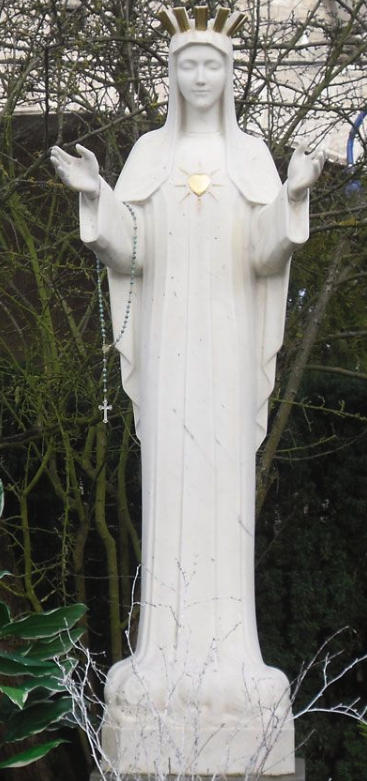
Historical Context
In the aftermath of World War I, Belgium was still recovering from wartime destruction and social uncertainty. Between November 29, 1932, and January 3, 1933, five children, aged 9 to 15, reported seeing the Blessed Virgin Mary in Beauraing. Mary appeared as a beautiful young woman wearing a white dress and a golden heart on her chest, smiling and silent at times, but gesturing for prayer and penance. Her apparitions brought comfort and hope to a community still grappling with fear, poverty, and post-war trauma.
Scientific Observations
- The apparitions were repeatedly observed by multiple independent witnesses over several weeks.
- The children’s descriptions of Mary remained consistent across different apparitions, suggesting authenticity.
- Psychologists and investigators at the time noted the impossibility of such young children coordinating a prolonged fabrication.
- Some witnesses reported seeing light phenomena and unexplained movements during the apparitions, which had no natural or physical explanation.
Miracles
- Several children reported healing from blindness and other ailments after praying at the site.
- Communities credit Mary’s apparition with spiritual protection and renewed faith during times of political tension and uncertainty.
- Many conversions and deepened religious devotion occurred following the public recognition of the apparitions.
Church Approval & Legacy
After careful investigation, the Bishop of Namur officially approved the apparitions in 1949. Beauraing became a recognized pilgrimage site, attracting thousands of visitors seeking spiritual comfort and healing. Pilgrims continue to honor the feast day of Our Lady of Beauraing on November 29.
8. Our Lady of Banneux
Date & Location: January 15 – March 2, 1933, Banneux, Belgium
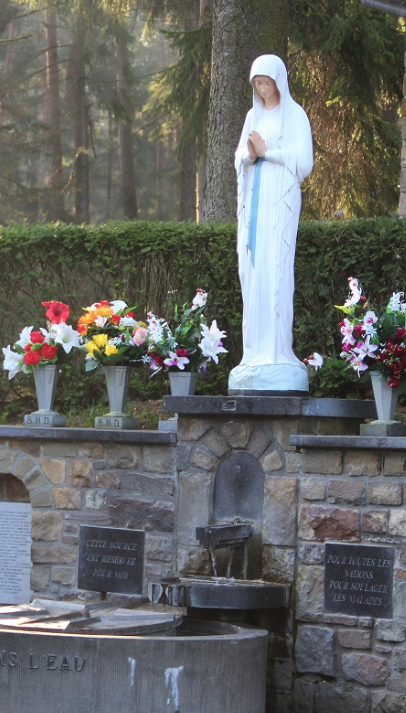
Historical Context
During a period of economic hardship and social unrest in Belgium, Mary appeared to 12-year-old Mariette Beco. She identified herself as “Our Lady of the Poor” and called for prayer, conversion, and devotion to God. Mary promised to intercede for the sick and those in need, emphasizing spiritual comfort alongside physical healing. The apparitions encouraged the local population to seek hope and faith during difficult times.
Scientific Observations
- The apparitions were witnessed by multiple villagers, family members, and local officials, adding credibility through independent confirmation.
- Mariette’s consistent descriptions over repeated apparitions demonstrated reliability and reduced the likelihood of fabrication.
- A spring reportedly appeared following Mary’s instructions, whose waters have been studied for mineral content and were linked to reported cures, though no definitive scientific explanation exists.
- Psychological evaluations at the time suggested the child was honest and not seeking attention or personal gain.
Miracles
- Several healings were reported for chronic illnesses, particularly among children and the poor.
- Many pilgrims reported spiritual renewal, alleviation of anxiety, and strengthened faith after visiting the site.
- Communities credit Mary’s intercession with improvements in local morale and support networks for the needy.
Church Approval & Legacy
The Bishop of Liege formally approved the apparitions in 1949, recognizing their authenticity. The shrine at Banneux continues to attract pilgrims seeking prayer, healing, and spiritual consolation. The feast day of Our Lady of Banneux is celebrated on January 15.
9. Our Lady of the Miraculous Medal
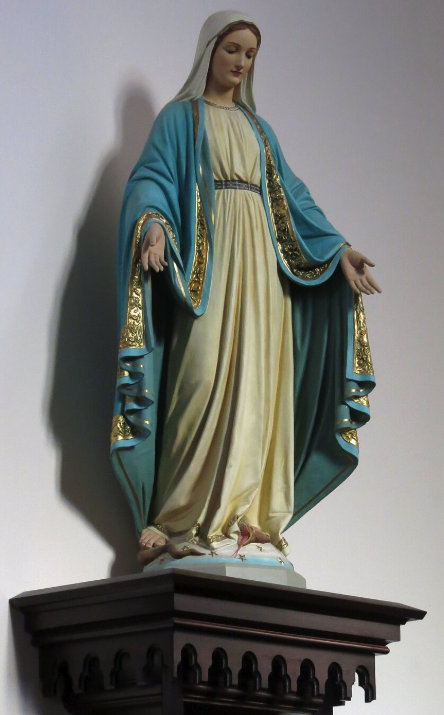
Date & Location: 1830, Rue du Bac, Paris, France
Historical Context
Mary appeared to Saint Catherine Labouré, a young novice in the Daughters of Charity, at the Chapel of Rue du Bac in Paris. She instructed Catherine to have a medal struck depicting her as the Immaculate Conception, promising great graces to those who wore it with faith. The apparition occurred in post-revolutionary France, a time of religious revival, emphasizing trust in Mary’s intercession and devotion to God.
Scientific Observations
- The medal quickly became widely distributed, and countless testimonies reported unexplainable healings and favors received after wearing it.
- No natural explanation could account for the widespread spiritual and emotional impact among believers.
- Many individuals experienced profound conversions and renewed faith, attributed to devotion to the medal and Mary’s intercession.
Miracles
- Countless personal healings and protections reported by those wearing the medal in faith.
- Conversions of skeptics and deepened devotion among the faithful.
- Spiritual consolations, answers to prayers, and protection during dangers, often attributed to the intercession of Mary through the medal.
Church Approval & Legacy
The apparitions and devotion were officially approved by the Church, and the Miraculous Medal devotion spread worldwide. The Chapel of Rue du Bac remains an active pilgrimage site, attracting visitors seeking spiritual aid and graces. Feast Day: November 27. The Miraculous Medal continues to symbolize Mary’s loving intercession and the power of prayer.
10. Our Lady of Kibeho
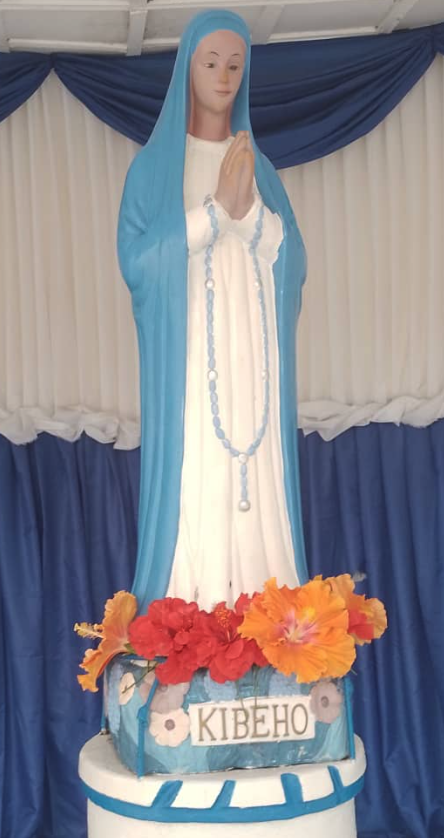
Date & Location: November 28, 1981 – 1989, Kibeho, Rwanda
Historical Context
During a period of social tension in Rwanda, Mary appeared to several students at the Kibeho school, including Alphonsine, Nathalie, and Marie-Claire. Her messages emphasized prayer, repentance, and conversion, warning against violence, hatred, and the moral decline of society. Remarkably, some of her visions predicted the Rwandan genocide of 1994, offering warnings that were later confirmed historically. The apparitions occurred in a context of post-colonial social change, making the messages both prophetic and socially significant.
Scientific Observations
- Visionaries reported precise and detailed warnings about violence and social unrest, later validated by historical events.
- Apparitions included visible tears and weeping of statues, as well as unusual physical reactions in the seers, documented by multiple independent witnesses.
- Several mystical phenomena, such as prophetic visions and unusual lights, occurred in front of large crowds without natural explanations.
Miracles
- Healing of physical and emotional illnesses among pilgrims visiting the apparition site.
- Conversion and spiritual renewal of thousands, fostering forgiveness and reconciliation in the aftermath of conflict.
- Many testify to enhanced prayer life, communal harmony, and increased devotion to the Virgin Mary following visits to Kibeho.
Church Approval & Legacy
Bishop Augustin Misago of Gikongoro officially approved the apparitions in 2001 as worthy of belief. The Kibeho Shrine has since become a major pilgrimage center for prayer, reconciliation, and reflection on the prophetic messages of Mary. Feast Day: November 28. The apparition is recognized for its spiritual depth, prophetic significance, and impact on national healing.
11. Our Lady of Akita
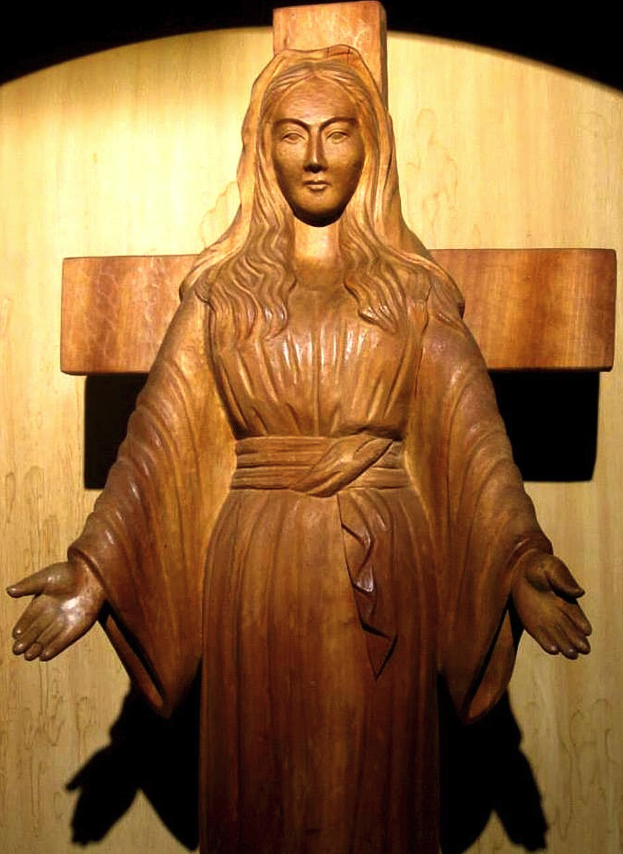
Date & Location: 1973–1979, Akita, Japan
Historical Context
In Akita, Japan, Sister Agnes Sasagawa, a member of the Congregation of the Sisters of the Handmaids of the Holy Eucharist, reported receiving 101 apparitions of the Virgin Mary. The messages focused on prayer, penance, devotion to the Eucharist, and warnings about the consequences of sin, including chastisements and disasters if humanity did not repent. These apparitions occurred in a predominantly non-Christian society, emphasizing Mary’s universal message of salvation.
Scientific Observations
- The wooden statue of Mary reportedly wept multiple times; the liquid was chemically analyzed and confirmed to be human tears, not paint or condensation.
- Occurrences of the statue bleeding from the hand and eye were observed by multiple credible witnesses, including priests and nuns, and recorded over several years.
- Witnesses reported unusual phenomena such as inexplicable smells of roses and intense feelings of peace and awe, which were verified by observers and deemed non-natural.
Miracles
- Healing of physical illnesses among the faithful visiting Akita.
- Conversions and spiritual renewals in the local community, leading to increased devotion and prayer practices.
- Protection from accidents or disasters claimed by devotees, attributed to intercession through the messages of Our Lady of Akita.
Church Approval & Legacy
Bishop John Shojiro Ito of Niigata officially approved the apparitions in 1984 as worthy of belief. The Akita messages are recognized for their prophetic and spiritual significance, emphasizing the urgent call to penance and prayer. The site has since become a pilgrimage destination for Catholics and seekers of Marian devotion. Feast Day: July 6.
12. Our Lady of Good Success
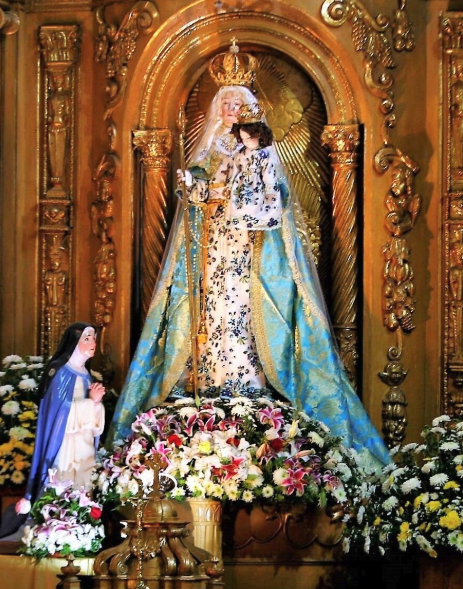
Date & Location: 1610–1630, Quito, Ecuador
Historical Context
Between 1610 and 1630, Sister Mariana de Jesus Torres, a Spanish nun of the Conceptionist Order, reported numerous apparitions of the Virgin Mary in Quito, Ecuador. Mary warned of moral decay, the rise of secularism, challenges to Church authority, and difficulties in society centuries before they occurred. The messages emphasized prayer, fidelity to the sacraments, and perseverance in faith despite future crises.
Scientific Observations
- Prophecies recorded in Sister Mariana’s journals accurately predicted societal and Church crises, including secularization in Ecuador and moral challenges in the 20th century.
- Detailed descriptions of future events were verified historically, demonstrating remarkable foresight that could not have been known by the visionary.
- Witnesses of Sister Mariana’s visions documented her extraordinary composure, clarity, and consistency over decades, supporting the credibility of the apparitions.
Miracles
- Spiritual conversions among the faithful who visited the convent and followed the messages of Our Lady of Good Success.
- Encouragement of Marian devotion, leading to widespread prayer practices and veneration within Ecuador and beyond.
- Reported healings of physical and emotional ailments attributed to prayers inspired by the apparitions.
Church Approval & Legacy
The Bishop of Quito recognized the apparitions as worthy of belief. The Shrine of Our Lady of Good Success remains an important pilgrimage site in Ecuador. The apparitions continue to inspire devotion, prayer, and fidelity to the teachings of the Catholic Church. Feast Day: February 2.