Purpose of the Catholic Teaching Page
Goal of This Page
The goal of this page is to present the core beliefs of the Catholic Church as they are rooted in Sacred Scripture, handed on through Sacred Tradition, and authoritatively taught by the Magisterium, the teaching office Christ established within His Church.
Catholic teaching is not the result of later speculation or human philosophy. It is the historical continuation of the faith once delivered to the Apostles, preserved through centuries of persecution, councils, theological development, and cultural change, without losing its essential content.
- Biblical in origin and substance
- Historical in continuity and witness
- Rational and compatible with sound philosophy and science
What Is Catholic Teaching?
Catholic teaching is the Church’s faithful transmission and explanation of divine revelation— what God has made known about Himself and His plan for humanity.
According to Scripture, God reveals Himself in history through His words and actions, culminating in the person of Jesus Christ, who is “the way, the truth, and the life.”
Christ did not write a book. Instead, He chose Apostles, taught them directly, gave them authority to teach in His name, and promised them the guidance of the Holy Spirit.
Catholic teaching is the result of this apostolic mission continuing in history, not a break from it.
How God’s Revelation Is Transmitted
Scripture itself testifies that God’s revelation is not transmitted by written texts alone.
“Stand firm and hold fast to the traditions that you were taught, either by an oral statement or by a letter of ours.”
— 2 Thessalonians 2:15
Sacred Scripture
- Inspired by God
- Written within the living community of the Church
- Interpreted according to the faith of the Apostles
Sacred Tradition
- The living transmission of apostolic teaching
- Preserved in liturgy, creeds, preaching, and early Christian writings
- Preceded the New Testament canon historically
The Magisterium
- The teaching authority Christ entrusted to the Apostles and their successors
- Ensures the authentic interpretation of Scripture and Tradition
- Serves the Word of God rather than standing above it
“Whoever hears you hears me.”
— Luke 10:16
Why Doctrine Matters
Doctrine matters because truth is not subjective. In Scripture, truth is something that can be known, distorted, and guarded.
From the earliest centuries, false interpretations of Christ led to serious divisions. In response, the Church convened councils, defined doctrine, and protected essential teachings about Christ, the Trinity, and salvation.
Historically, doctrines such as the divinity of Christ or the Trinity were not invented—they were defined precisely because Scripture was being misinterpreted.
- Logical coherence to belief
- Protection against contradiction
- A stable foundation for moral and spiritual life
Dogma, Doctrine, and Discipline
Dogma
Dogma consists of truths revealed by God, clearly taught in Scripture and Apostolic Tradition, and definitively defined by the Church.
- The Trinity
- The divinity of Christ
- The Resurrection
Dogma cannot change because truth itself does not change.
Doctrine
Doctrine explains and articulates revealed truth using Scripture, reason, and historical reflection.
Doctrinal development does not add new revelation; it clarifies what was already present, deepening understanding without contradiction.
Discipline
Discipline refers to practical regulations established by the Church for good order.
Unlike dogma or doctrine, discipline is not revealed by God and can change according to historical and pastoral needs.
Teaching Authority and Historical Continuity
The authority to teach did not disappear after the Apostles. Early Christians recognized bishops as successors of the Apostles, preserving a continuous line of teaching authority.
This continuity is documented both historically and biblically, showing how Christ chose to preserve truth in history.
Faith, Reason, and Science
Catholic teaching does not oppose science. The Church distinguishes between scientific inquiry and theological truth, recognizing that each addresses different questions.
Science explains how the natural world works. Revelation explains why it exists and who created it. When each remains within its proper domain, faith and reason work in harmony.
Sources of Catholic Teaching
Everything the Catholic Church teaches flows from how God has revealed Himself in history and how that revelation has been preserved. To understand Catholic doctrine, one must first understand its sources.
From the beginning, the Church has recognized that God’s revelation is transmitted through Sacred Scripture, Sacred Tradition, and the Magisterium. These three are distinct, yet inseparably united.
Removing any one of these sources distorts the fullness of the Christian faith.
Sacred Scripture
Sacred Scripture is the inspired Word of God, written under the guidance of the Holy Spirit and entrusted to the Church.
“All scripture is given by inspiration of God, and is profitable for doctrine, for reproof, for correction, for instruction in righteousness.”
— 2 Timothy 3:16
The Bible faithfully witnesses to God’s saving actions in history and culminates in the life, death, and resurrection of Jesus Christ.
Sacred Scripture did not originate apart from the Church. The books of the Bible were written within the believing community and recognized as canonical through the discernment of the Church.
“Knowing this first, that no prophecy of the scripture is of any private interpretation.”
— 2 Peter 1:20
For this reason, Scripture must be read within the apostolic faith in which it was written.
Sacred Tradition
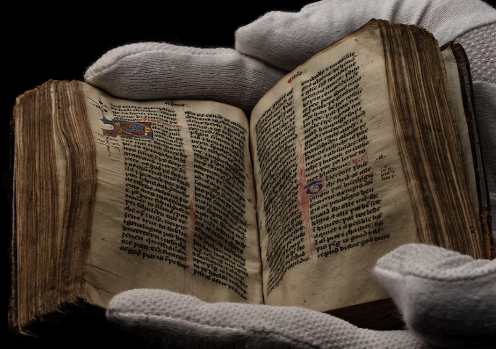
Sacred Tradition is the living transmission of the Gospel as it was preached and taught by the Apostles before any part of the New Testament was written.
“Therefore, brethren, stand fast, and hold the traditions which ye have been taught, whether by word, or our epistle.”
— 2 Thessalonians 2:15
This Tradition includes:
- The oral teaching of the Apostles
- The Church’s liturgy and sacramental life
- The creeds and professions of faith
- The consistent witness of the early Church
Sacred Tradition does not add new revelation. Rather, it preserves and hands on the same truth received from Christ.
“And the things that thou hast heard of me among many witnesses, the same commit thou to faithful men, who shall be able to teach others also.”
— 2 Timothy 2:2
The Magisterium
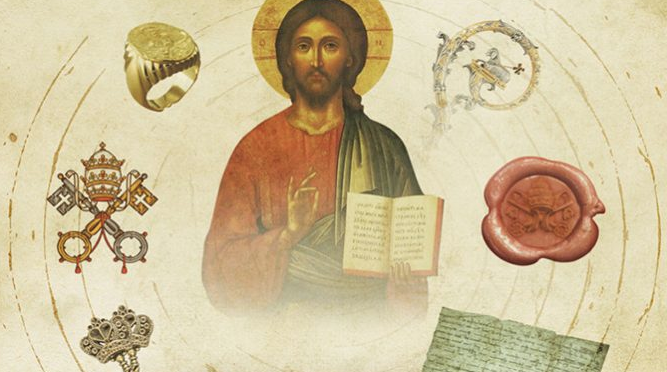
The Magisterium is the teaching authority Christ entrusted to the Apostles and to their successors, the bishops, in communion with the Bishop of Rome.
“He that heareth you heareth me; and he that despiseth you despiseth me; and he that despiseth me despiseth him that sent me.”
— Luke 10:16
The Magisterium exists to authentically interpret Sacred Scripture and faithfully safeguard Sacred Tradition.
It does not stand above the Word of God, but serves it, ensuring that divine revelation is neither distorted nor lost.
Why the Bible Alone Is Not the Full Authority
While Sacred Scripture is inspired and authoritative, the Bible itself does not teach that it is the sole source of Christian authority.
Historically, the Christian faith existed before the New Testament was written. The early Church relied on apostolic preaching, sacramental life, and ecclesial authority.
“And they continued stedfastly in the apostles’ doctrine and fellowship, and in breaking of bread, and in prayers.”
— Acts 2:42
Without Sacred Tradition and the Magisterium, the canon of Scripture itself cannot be objectively identified, and interpretation becomes fragmented.
Apostolic Succession
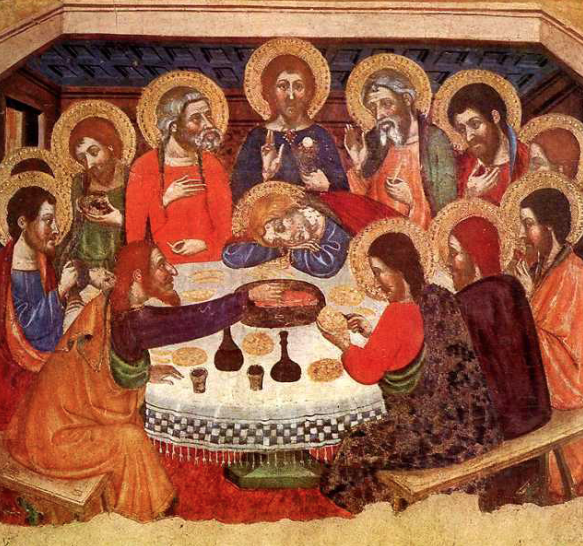
Apostolic succession is the historical and spiritual continuity by which the authority and mission of the Apostles continue in the bishops of the Church.
“And when they had prayed, they laid their hands on them.”
— Acts 6:6
“For this cause left I thee in Crete, that thou shouldest set in order the things that are wanting, and ordain elders in every city, as I had appointed thee.”
— Titus 1:5
This succession safeguards continuity of teaching, sacramental life, and unity with the apostolic faith.
The Role of the Pope and the Bishops
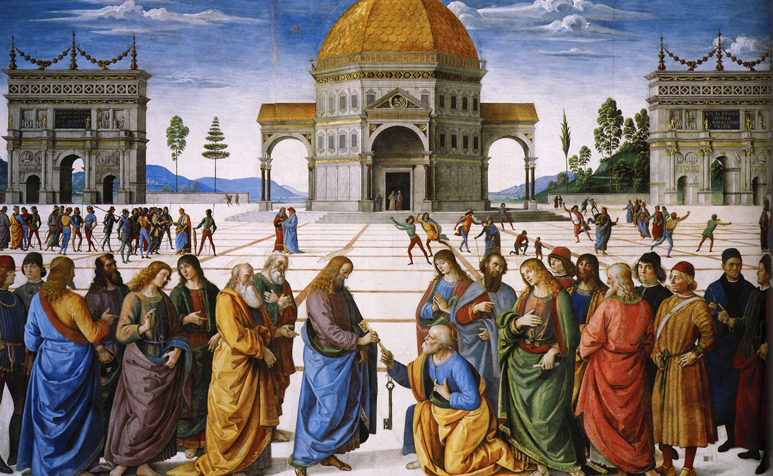
Christ gave a unique role to Peter among the Apostles, entrusting him with a leadership responsibility within the Church.
“And I will give unto thee the keys of the kingdom of heaven: and whatsoever thou shalt bind on earth shall be bound in heaven: and whatsoever thou shalt loose on earth shall be loosed in heaven.”
— Matthew 16:19
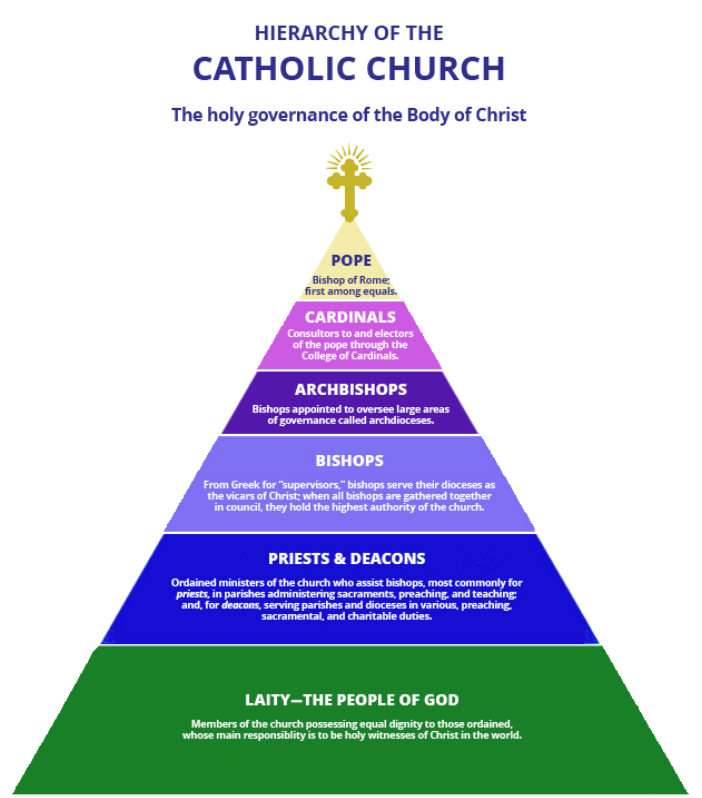
The bishops, as successors of the Apostles, share in the responsibility of teaching and guiding the Church in communion with the successor of Peter.
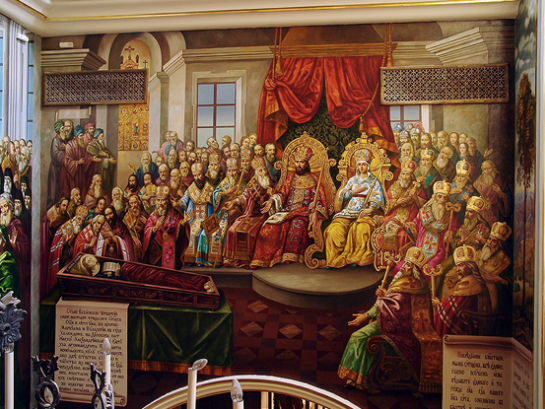
Visual Symbols for This Section
- The Apostles Receiving the Holy Spirit (Pentecost) — The divine origin of the Church’s teaching mission
- St. Peter with the Keys — Apostolic authority and pastoral leadership
- Early Church Councils — The historical exercise of teaching authority in preserving doctrinal truth
God and the Holy Trinity
At the heart of the Christian faith is the mystery of God Himself. Catholic teaching begins with the truth that there is one God, who exists eternally as three distinct Persons: the Father, the Son, and the Holy Spirit.
This truth is not the result of philosophical speculation. It is revealed by God Himself through Sacred Scripture and made known fully through Jesus Christ.
One God
The Catholic Church professes absolute belief in one God. This belief comes directly from divine revelation and was firmly held by God’s people from the beginning.
“Hear, O Israel: The LORD our God is one LORD.”
— Deuteronomy 6:4
Scripture consistently affirms that there is only one true God, the Creator of all that exists.
“I am the LORD, and there is none else, there is no God beside me.”
— Isaiah 45:5
The doctrine of the Trinity does not deny this truth. Catholics do not believe in three gods, but in one God who is perfectly one in being.
Three Divine Persons
While God is one, He has revealed Himself as three Persons: the Father, the Son, and the Holy Spirit. This revelation becomes clear in the New Testament.
At the baptism of Jesus, all three Persons are revealed together:
“And Jesus, when he was baptized, went up straightway out of the water: and, lo, the heavens were opened unto him, and he saw the Spirit of God descending like a dove, and lighting upon him:
— Matthew 3:16–17
And lo a voice from heaven, saying, This is my beloved Son, in whom I am well pleased.”
Before ascending into heaven, Jesus commanded His disciples to baptize in the name of all three Persons:
“Go ye therefore, and teach all nations, baptizing them in the name of the Father, and of the Son, and of the Holy Ghost.”
— Matthew 28:19
This Trinitarian formula is foundational to Christian belief and worship.
Equality of the Father, Son, and Holy Spirit
The Father, the Son, and the Holy Spirit are not unequal or lesser forms of God. Each Person is fully and eternally God.
Sacred Scripture affirms the full divinity of the Son:
“In the beginning was the Word, and the Word was with God, and the Word was God.”
— John 1:1
“And Thomas answered and said unto him, My Lord and my God.”
— John 20:28
Scripture also affirms the divinity of the Holy Spirit:
“But Peter said, Ananias, why hath Satan filled thine heart to lie to the Holy Ghost… thou hast not lied unto men, but unto God.”
— Acts 5:3–4
Each Person is distinct, yet none is greater or lesser than the other.
Distinction Without Division
The Father, Son, and Holy Spirit are truly distinct Persons, not merely different roles or appearances of the same Person.
Jesus speaks to the Father as Someone distinct from Himself:
“And now, O Father, glorify thou me with thine own self with the glory which I had with thee before the world was.”
— John 17:5
Jesus also promises to send the Holy Spirit, who is distinct from both the Father and the Son:
“But when the Comforter is come, whom I will send unto you from the Father, even the Spirit of truth, which proceedeth from the Father, he shall testify of me.”
— John 15:26
The distinction of Persons does not divide God’s unity. God is one in being, one in will, and one in divine nature.
A Simple Summary of the Trinity
- There is one God.
- The Father, Son, and Holy Spirit are three distinct Persons.
- Each Person is fully and equally God.
- The three Persons are not three gods, but one God.
The Trinity is a mystery, not because it is illogical, but because God is infinitely greater than human understanding. What God has revealed is true, even when it exceeds our ability to fully comprehend it.
Creation, the Fall, and Salvation History
Catholic teaching understands human history as part of a larger divine plan. From the creation of the world, through humanity’s fall into sin, and toward redemption, God has acted continuously in history to bring about salvation.
Creation, the fall, and salvation history are not separate ideas, but one unfolding story of God’s love, justice, and mercy.
Creation and the Purpose of Humanity
God freely created the world out of love, not out of necessity. Creation is good, ordered, and meaningful, reflecting the wisdom of its Creator.
“In the beginning God created the heaven and the earth.”
— Genesis 1:1
Humanity holds a unique place within creation. Men and women are created in the image and likeness of God, endowed with reason, free will, and the capacity to love.
“And God said, Let us make man in our image, after our likeness… So God created man in his own image, in the image of God created he him; male and female created he them.”
— Genesis 1:26–27
The ultimate purpose of humanity is communion with God—to know Him, love Him, and share in His life.
“Thou hast made us for thyself, and our heart is restless until it rests in thee.”
— St. Augustine (historical witness)
Original Sin
Although creation was originally good, humanity misused the gift of freedom. Through disobedience, sin entered the world, damaging humanity’s relationship with God.
“And the LORD God commanded the man, saying, Of every tree of the garden thou mayest freely eat:
— Genesis 2:16–17
But of the tree of the knowledge of good and evil, thou shalt not eat of it: for in the day that thou eatest thereof thou shalt surely die.”
The fall is described in Scripture as an act of distrust and disobedience toward God.
“And when the woman saw that the tree was good for food… she took of the fruit thereof, and did eat, and gave also unto her husband with her; and he did eat.”
— Genesis 3:6
As a result, sin and death entered human history, affecting all of humanity.
“Wherefore, as by one man sin entered into the world, and death by sin; and so death passed upon all men, for that all have sinned.”
— Romans 5:12
Original sin does not destroy human nature, but it wounds it, inclining humanity toward sin and separating it from the fullness of communion with God.
God’s Covenant Plan
God did not abandon humanity after the fall. Instead, He began a plan of salvation, gradually revealing Himself and renewing His relationship with humanity through covenants.
Throughout Scripture, God establishes covenants with individuals and peoples:
- Noah, preserving creation
- Abraham, forming a chosen people
- Moses, giving the Law
- David, promising an eternal kingdom
“And I will establish my covenant between me and thee and thy seed after thee in their generations for an everlasting covenant, to be a God unto thee, and to thy seed after thee.”
— Genesis 17:7
These covenants prepare the way for a final and universal covenant that God would establish for all humanity.
The Promise of a Savior
Even immediately after the fall, God promised redemption. Scripture reveals the first hope of a Savior within the account of humanity’s disobedience.
“And I will put enmity between thee and the woman, and between thy seed and her seed; it shall bruise thy head, and thou shalt bruise his heel.”
— Genesis 3:15
This promise is gradually unfolded throughout the Old Testament through prophecy, symbol, and expectation.
“Therefore the Lord himself shall give you a sign; Behold, a virgin shall conceive, and bear a son, and shall call his name Immanuel.”
— Isaiah 7:14
“For unto us a child is born, unto us a son is given: and the government shall be upon his shoulder: and his name shall be called Wonderful, Counsellor, The mighty God, The everlasting Father, The Prince of Peace.”
— Isaiah 9:6
This promise finds its fulfillment in Jesus Christ, through whom God restores what was lost and offers salvation to the world.
Jesus Christ – True God and True Man
Jesus Christ is the center of Catholic faith. He is fully God and fully man, the Word made flesh, sent by the Father to redeem humanity. All of salvation history points to Him.
Understanding who Jesus is, what He did, and what He will do is essential to understanding the Christian life.
True God and True Man
Jesus Christ is one Person with two natures: divine and human. He is not partly God and partly man, but fully each.
“In the beginning was the Word, and the Word was with God, and the Word was God.”
— John 1:1
“And the Word was made flesh, and dwelt among us, (and we beheld his glory, the glory as of the only begotten of the Father,) full of grace and truth.”
— John 1:14
He is divine, co-eternal with the Father (John 1:1), yet He took on a real human nature, sharing in our weaknesses except for sin (Hebrews 4:15).
“For we have not an high priest which cannot be touched with the feeling of our infirmities; but was in all points tempted like as we are, yet without sin.”
— Hebrews 4:15
The Incarnation
The Incarnation is the mystery of God becoming man. The Holy Spirit conceived Jesus in the womb of the Virgin Mary, fulfilling prophecy and uniting humanity with divinity.
“Behold, a virgin shall be with child, and shall bring forth a son, and they shall call his name Emmanuel, which being interpreted is, God with us.”
— Matthew 1:23
Mary’s obedience and the Holy Spirit’s power allowed the eternal Son to take on human nature without ceasing to be God.
Public Ministry
Jesus’ public ministry lasted about three years. He taught with authority, performed miracles, healed the sick, cast out demons, and proclaimed the Kingdom of God.
“And Jesus went about all Galilee, teaching in their synagogues, and preaching the gospel of the kingdom, and healing all manner of sickness and all manner of disease among the people.”
— Matthew 4:23
His teachings emphasized love for God and neighbor, the fulfillment of the Law, mercy, and the call to repentance.
“A new commandment I give unto you, That ye love one another; as I have loved you, that ye also love one another.”
— John 13:34
Passion, Death, and Resurrection
Jesus willingly suffered, died, and rose again to save humanity from sin and restore communion with God.
“And he bearing his cross went forth into a place called the place of a skull, which is called in the Hebrew Golgotha.”
— John 19:17
His resurrection confirms His divinity, fulfills prophecy, and assures us of eternal life.
“He is not here: for he is risen, as he said. Come, see the place where the Lord lay.”
— Matthew 28:6
Through His sacrifice, humanity is reconciled with God, and the power of sin and death is defeated.
“For if we believe that Jesus died and rose again, even so them also which sleep in Jesus will God bring with him.”
— 1 Thessalonians 4:14
Ascension and Second Coming
After forty days appearing to His disciples, Jesus ascended into heaven, seated at the right hand of the Father, interceding for us.
“And he led them out as far as to Bethany, and he lifted up his hands, and blessed them. And it came to pass, while he blessed them, he was parted from them, and carried up into heaven.”
— Luke 24:50–51
Jesus promised to return in glory to judge the living and the dead, completing the plan of salvation.
“And then shall they see the Son of man coming in a cloud with power and great glory.”
— Luke 21:27
“For the Lord himself shall descend from heaven with a shout, with the voice of the archangel, and with the trump of God: and the dead in Christ shall rise first.”
— 1 Thessalonians 4:16
Visual Symbols for This Section
- Crucifixion — Christ’s Passion and sacrificial love
- Resurrection — Triumph over sin and death
- Ascension — Christ reigning at the right hand of the Father
- Nativity — The Incarnation and God-with-us
The Church
The Church is the living Body of Christ, a divine-human reality established by Jesus to continue His mission in the world. She is not merely an organization or building; she exists to unite all believers in Christ and guide them to salvation.
Through the Church, Christ teaches, sanctifies, and shepherds His people. Scripture calls her the Mystical Body of Christ, emphasizing her spiritual unity with Him as head and with all members.
Mystical Body of Christ
St. Paul explains that the Church is a single, living body, intimately connected to Christ. Each member has a role, contributing to the life and mission of the whole.
“For as the body is one, and hath many members, and all the members of that one body, being many, are one body: so also is Christ.”
— 1 Corinthians 12:12
The Church is thus more than human: she is guided by the Holy Spirit and participates in the life of Christ Himself.
One, Holy, Catholic, Apostolic
The Church possesses four essential characteristics, called the Four Marks of the Church:
- One: United in faith, worship, and governance. (Ephesians 4:4–6)
- Holy: Created and sanctified by God’s grace, called to holiness. (1 Peter 1:15–16)
- Catholic: Universal, meant for all peoples and all generations. (Matthew 28:19–20)
- Apostolic: Built on the foundation of the Apostles, preserving their teaching and authority. (Acts 1:20–26; 2 Timothy 2:2)
“There is one body, and one Spirit, even as ye are called in one hope of your calling; One Lord, one faith, one baptism.”
— Ephesians 4:4–5
Role of the Pope
Christ appointed Peter as the visible head of the Church on earth, giving him authority to bind and loose. His successors, the Popes, preserve unity, guard doctrine, and shepherd the faithful worldwide.
“And I say also unto thee, That thou art Peter, and upon this rock I will build my church; and the gates of hell shall not prevail against it.”
— Matthew 16:18
Bishops, Priests, and Deacons
Christ established ordained ministers to shepherd the Church, teach God’s Word, and administer the sacraments. Their roles are distinct but work together to serve the faithful.
- Bishops: Successors of the Apostles, responsible for teaching, sanctifying, and governing a diocese. (Acts 20:28)
- Priests: Serve under bishops, celebrate sacraments, and guide the faithful. (Hebrews 5:1–4)
- Deacons: Serve in charity and assist in liturgy. (Acts 6:1–6)
“Take heed therefore unto yourselves, and to all the flock, over the which the Holy Ghost hath made you overseers, to feed the church of God, which he hath purchased with his own blood.”
— Acts 20:28
Communion of Saints
All members of the Church—living and dead—are united in Christ. The faithful on earth, the souls in purgatory, and the saints in heaven form a single spiritual family.
“Now therefore ye are no more strangers and foreigners, but fellow citizens with the saints, and of the household of God.”
— Ephesians 2:19
The saints intercede for us, and we pray for one another, expressing the Church’s unity across time and space.
Visual Symbols for This Section
- The Cross — Christ’s sacrifice, the foundation of the Church
- Keys of St. Peter — Papal authority and unity
- Shepherd with sheep — Bishops and priests guiding the faithful
- Communion of Saints artwork — Spiritual unity of all believers
The Sacraments
Sacraments are outward, visible signs instituted by Christ to give grace. They are God’s way of sharing His life with us in tangible forms. Through the sacraments, we receive the spiritual gifts necessary for holiness, salvation, and communion with God.
There are seven sacraments because they cover the full Christian life: from initiation into the Church, through spiritual growth, healing, and service, to the vocation and mission of each believer.
“Go therefore and make disciples of all nations, baptizing them in the name of the Father, and of the Son, and of the Holy Spirit.”
— Matthew 28:19
Sacraments by Category
The sacraments are grouped into three main categories:
- Initiation: Baptism, Confirmation, Eucharist – bring us into the life of Christ and the Church.
- Healing: Reconciliation, Anointing of the Sick – restore grace and spiritual health.
- Service: Holy Orders, Matrimony – dedicate believers to the service of God and others.
Baptism
Baptism is the first sacrament of initiation. It cleanses us from original sin, incorporates us into the Church, and makes us children of God. It is the gateway to all other sacraments.
“Repent, and be baptized every one of you in the name of Jesus Christ for the remission of sins; and ye shall receive the gift of the Holy Ghost.”
— Acts 2:38
Confirmation
Confirmation strengthens the grace received at Baptism by the outpouring of the Holy Spirit. It equips the faithful to live as mature Christians and to witness to Christ in the world.
“And when they had prayed, they laid their hands on them, and they received the Holy Spirit.”
— Acts 8:17
Eucharist
The Eucharist is the true Body and Blood of Christ. By receiving it, we unite ourselves with Him, receive spiritual nourishment, and are strengthened to live as His followers.
“Then took he the cup, and gave thanks, and gave it to them, saying, Drink ye all of it; For this is my blood of the new testament, which is shed for many for the remission of sins.”
— Matthew 26:27–28
Reconciliation (Confession)
Reconciliation restores the grace lost through sin. Through confession, penance, and absolution, we are reconciled with God and the Church.
“Whose soever sins ye remit, they are remitted unto them; and whose soever sins ye retain, they are retained.”
— John 20:23
Anointing of the Sick
This sacrament strengthens those who are seriously ill, elderly, or near death. It imparts God’s grace, comfort, healing, and spiritual fortitude.
“Is any sick among you? let him call for the elders of the church; and let them pray over him, anointing him with oil in the name of the Lord.”
— James 5:14
Holy Orders
Holy Orders ordains men to serve the Church as bishops, priests, or deacons. They continue Christ’s ministry and shepherd the faithful through teaching, sanctifying, and guiding.
“And the things that thou hast heard of me among many witnesses, the same commit thou to faithful men, who shall be able to teach others also.”
— 2 Timothy 2:2
Matrimony
Matrimony unites a man and a woman in a lifelong covenant of love, reflecting Christ’s love for His Church. The couple is strengthened to live faithfully and raise children in the faith.
“For this cause shall a man leave his father and mother, and shall cleave to his wife: and they twain shall be one flesh.”
— Matthew 19:5
The Eucharist
The Eucharist is the source and summit of the Christian life. In this sacrament, Jesus Christ gives Himself fully—Body, Blood, Soul, and Divinity—for our spiritual nourishment, unity, and salvation.
All Catholic theology, devotion, and practice flow from the Eucharist. It is celebrated in every Mass and is the clearest expression of Christ’s love and sacrifice.
“Jesus said to them, ‘I am the bread of life; he who comes to me shall not hunger, and he who believes in me shall never thirst.’”
— John 6:35
Real Presence
The Real Presence teaches that Jesus Christ is truly present in the Eucharist—His Body, Blood, Soul, and Divinity—not symbolically or figuratively. The consecrated bread and wine are no longer mere food but the living Christ Himself.
“For my flesh is food indeed, and my blood is drink indeed. He who eats my flesh and drinks my blood abides in me, and I in him.”
— John 6:55–56
Transubstantiation
Transubstantiation is the term used to explain how the bread and wine truly become Christ’s Body and Blood while retaining the appearance, taste, and smell of bread and wine. The substance changes, even though the accidents remain the same.
“This is my body, which is given for you; do this in remembrance of me. This cup is the new covenant in my blood, which is poured out for you.”
— Luke 22:19–20
The Church has affirmed this truth since the early centuries, defended by the Fathers, councils, and the Council of Trent against misunderstandings.
Sacrifice of the Mass
The Mass is the unbloody re-presentation of Christ’s one sacrifice on the Cross. The same sacrifice is made present sacramentally, offering spiritual benefits to the faithful.
“This is my body, which is given for you. Do this in remembrance of me.”
— Luke 22:19
“Christ our Passover is sacrificed for us.”
— 1 Corinthians 5:7
Every Mass participates in the one eternal sacrifice of Christ, uniting heaven and earth and drawing the faithful into His redemptive love.
Communion
Holy Communion is the reception of Christ Himself. It unites us intimately with Him and with the entire Church. Frequent communion strengthens faith, love, and holiness.
“The bread which we break, is it not the communion of the body of Christ? The cup of blessing which we bless, is it not the communion of the blood of Christ?”
— 1 Corinthians 10:16
Communion calls us to live in unity, forgiveness, and charity, reflecting the life of Christ in our daily actions.
Moral Teachings
Catholic moral teaching shows us how to live according to God’s will. Faith is not only about belief but about action—loving God and neighbor, choosing good over evil, and growing in holiness.
Scripture, reason, and tradition guide our moral life. Catholics are called to form their conscience, follow natural law, and obey God’s commandments.
“You shall love the Lord your God with all your heart, with all your soul, and with all your mind. This is the first and great commandment. And the second is like it: You shall love your neighbor as yourself.”
— Matthew 22:37–39
Ten Commandments
The Ten Commandments, given by God to Moses, form the foundation of moral law. They teach love for God and neighbor and provide clear guidance for righteous living.
“You shall have no other gods before me. You shall not make for yourself a carved image… You shall not take the name of the Lord your God in vain… Honor your father and your mother… You shall not kill… You shall not commit adultery… You shall not steal… You shall not bear false witness… You shall not covet your neighbor’s house… You shall not covet your neighbor’s wife… or anything that belongs to your neighbor.”
— Exodus 20:3–17
Beatitudes
Jesus’ Beatitudes (Matthew 5:3–12) reveal the attitudes and virtues of a faithful Christian. They show that true happiness comes from humility, mercy, purity of heart, and righteousness.
“Blessed are the poor in spirit, for theirs is the kingdom of heaven. Blessed are those who mourn, for they shall be comforted… Blessed are the merciful, for they shall obtain mercy… Blessed are the pure in heart, for they shall see God.”
— Matthew 5:3–8
Natural Law
Natural law is God’s moral law written in the human heart. Through reason, we can understand what is right and wrong, even apart from Scripture. It guides decisions in everyday life and forms the basis for just societies.
“For when Gentiles who do not have the law do instinctively what the law requires, they show that the work of the law is written in their hearts.”
— Romans 2:14–15
Conscience
Conscience is the inner ability to recognize good and evil. Catholics are called to form their conscience according to Scripture, Church teaching, and prayer, and to act according to it.
“So speak and so act as those who are to be judged under the law of liberty.”
— James 2:12
Sin: Mortal and Venial
Sin is an offense against God and His love. Catholic teaching distinguishes between:
- Mortal sin: a grave violation of God’s law, committed with full knowledge and deliberate consent, which separates us from God (1 John 5:16–17).
- Venial sin: a lesser offense that weakens our relationship with God but does not destroy it (1 John 1:9).
“If we say that we have no sin, we deceive ourselves, and the truth is not in us. If we confess our sins, He is faithful and just to forgive us our sins and to cleanse us from all unrighteousness.”
— 1 John 1:8–9
Prayer and Spiritual Life
Prayer is the lifeline of a Christian. Catholics pray to communicate with God, to grow in holiness, and to unite their hearts with His will. Through prayer, we acknowledge God’s presence, seek His guidance, and offer praise and thanksgiving.
“Pray without ceasing.”
— 1 Thessalonians 5:17
Why Catholics Pray
Catholics pray to:
- Adore and glorify God
- Ask for guidance, strength, and forgiveness
- Offer intercession for others
- Express gratitude and love
“But you, when you pray, go into your room, and when you have shut your door, pray to your Father who is in secret; and your Father who sees in secret will reward you.”
— Matthew 6:6
Types of Prayer
Vocal Prayer
Vocal prayer uses spoken or sung words to express praise, petition, or thanksgiving. Common examples include the Our Father, Hail Mary, and other prayers taught by the Church.
“And all things you ask in prayer, believing, you shall receive.”
— Matthew 21:22
Meditative Prayer
Meditative prayer involves reflecting on God’s Word, His deeds, or the mysteries of Christ’s life. It deepens understanding and personal connection with God.
“But his delight is in the law of the Lord, and on his law he meditates day and night.”
— Psalm 1:2
Contemplative Prayer
Contemplative prayer is a silent, loving gaze upon God. It is about being present to God and listening for His guidance, beyond words or images.
“Be still, and know that I am God.”
— Psalm 46:10
Role of the Rosary
The Rosary is a meditative prayer that reflects on the life, death, and resurrection of Jesus Christ through the intercession of the Blessed Virgin Mary. It combines vocal prayer and meditation, helping the faithful grow closer to Christ.
“My soul magnifies the Lord, and my spirit rejoices in God my Savior.”
— Luke 1:46–47
Liturgical Prayer
Liturgical prayer is public, communal prayer of the Church, especially in the Mass, Liturgy of the Hours, and other official rites. It sanctifies time and brings the faithful into union with Christ and His Church.
“And let the peace of Christ rule in your hearts, to which indeed you were called in one body; and be thankful.”
— Colossians 3:15
Through liturgical prayer, Catholics participate in the eternal praise of God, following the example of the Apostles and early Christians.
Mary and the Saints
Catholics honor Mary and the saints as models of holiness and as intercessors before God. This honor is not worship, which belongs to God alone, but veneration, recognizing the unique role of Mary and the faithful departed in God’s plan.
“All generations will call me blessed.”
— Luke 1:48
Why Catholics Honor Mary
Mary, the Mother of God, is honored because of her unique role in salvation history. She said “yes” to God’s plan, cooperated fully with the Holy Spirit, and gave birth to Jesus Christ, the Savior.
“Behold, I am the handmaid of the Lord; let it be to me according to your word.”
— Luke 1:38
Catholics honor her as the highest of all saints and the Mother of the Church, seeking her intercession in prayer.
Marian Dogmas
The Church has defined four key dogmas about Mary, all grounded in Scripture and Tradition:
- Mother of God (Theotokos): Mary is truly the Mother of Jesus, who is God (Luke 1:43).
- Perpetual Virginity: Mary remained a virgin before, during, and after the birth of Jesus (Matthew 1:25).
- Immaculate Conception: Mary was preserved from original sin from the moment of her conception (Luke 1:28, full of grace).
- Assumption: At the end of her earthly life, Mary was taken body and soul into heaven (Revelation 12:1 as a prophetic symbol).
Intercession of the Saints
Saints, being alive in Christ, can pray for us before God. Asking for their intercession is like asking a brother or sister in Christ to pray on our behalf.
“Therefore, since we are surrounded by so great a cloud of witnesses, let us also lay aside every weight… and let us run with endurance the race that is set before us.”
— Hebrews 12:1
The faithful are encouraged to imitate the saints’ virtues and seek their prayers, confident that God hears them.
Communion of Saints
The Communion of Saints unites all members of the Church—on earth, in purgatory, and in heaven—into one body with Christ as the head. We share in each other’s prayers, sufferings, and merits.
“And may the God of endurance and encouragement grant you to live in such harmony with one another, in accord with Christ Jesus.”
— Romans 15:5
This teaches that no believer is isolated; we are spiritually connected and called to support one another in the journey toward holiness.
Last Things (Eschatology)
Catholic teaching on the Last Things reminds us that life on earth is a journey toward eternal life with God. Death is not the end, but the beginning of our final destiny, judged by Christ according to our faith and deeds.
“And just as it is appointed for man to die once, and after that comes judgment.”
— Hebrews 9:27
Death
Death is the separation of the soul from the body. It is the consequence of sin, but also the doorway to eternal life for those united to Christ.
“Precious in the sight of the Lord is the death of his faithful ones.”
— Psalm 116:15
Judgment
Every person will face judgment after death. Christ, the righteous judge, will assess our love for God and neighbor, rewarding those who chose goodness and calling to repentance those who rejected it.
“For we must all appear before the judgment seat of Christ, so that each one may receive what is due for what he has done in the body, whether good or evil.”
— 2 Corinthians 5:10
Heaven
Heaven is eternal life with God, a state of perfect happiness, peace, and union with Him. It is the fulfillment of our deepest longings and the reward for a life of faith and love.
“But as it is written, ‘What no eye has seen, nor ear heard, nor the heart of man imagined, what God has prepared for those who love him.’”
— 1 Corinthians 2:9
Hell
Hell is the eternal separation from God for those who freely and definitively reject His love. God respects human freedom, but separation from Him results in spiritual suffering.
“And these will go away into eternal punishment, but the righteous into eternal life.”
— Matthew 25:46
Purgatory
Purgatory is a state of purification for souls who die in God’s friendship but still need cleansing from the effects of sin. It prepares them to enter the fullness of Heaven.
“But if the man is purified through fire, he will be saved, yet so as through fire.”
— 1 Corinthians 3:15
Resurrection of the Body
At the end of time, all the dead will be resurrected. Our bodies will be glorified, reunited with our souls, and transformed to live eternally with God.
“Do you not know that the dead will be raised, and that Christ will be raised from the dead? For as in Adam all die, so also in Christ shall all be made alive.”
— 1 Corinthians 15:20–22
Summary and Call to Faith
Catholic teaching is a unified, living faith rooted in Scripture, preserved through Sacred Tradition, and guided by the Magisterium. From God’s revelation in Christ to the sacraments, moral life, prayer, and hope in eternal life, every teaching points to the same truth: God’s love and plan for humanity.
“There is one body and one Spirit—just as you were called to one hope when you were called—one Lord, one faith, one baptism.”
— Ephesians 4:4–5
Unity of Catholic Teaching
The Catholic faith is not a collection of disconnected beliefs. Each teaching—about God, Christ, the Church, sacraments, morality, prayer, Mary, the saints, and the Last Things—forms a coherent whole. Together, they guide the believer toward holiness and eternal life.
“So then you are no longer strangers and aliens, but you are fellow citizens with the saints and members of the household of God.”
— Ephesians 2:19
Invitation to Learn More
Catholic teaching invites deeper exploration and personal growth. You are encouraged to read Scripture, study the Catechism, and explore the history and wonders of the faith through apologetics and miracles.