What Is Apologetics?
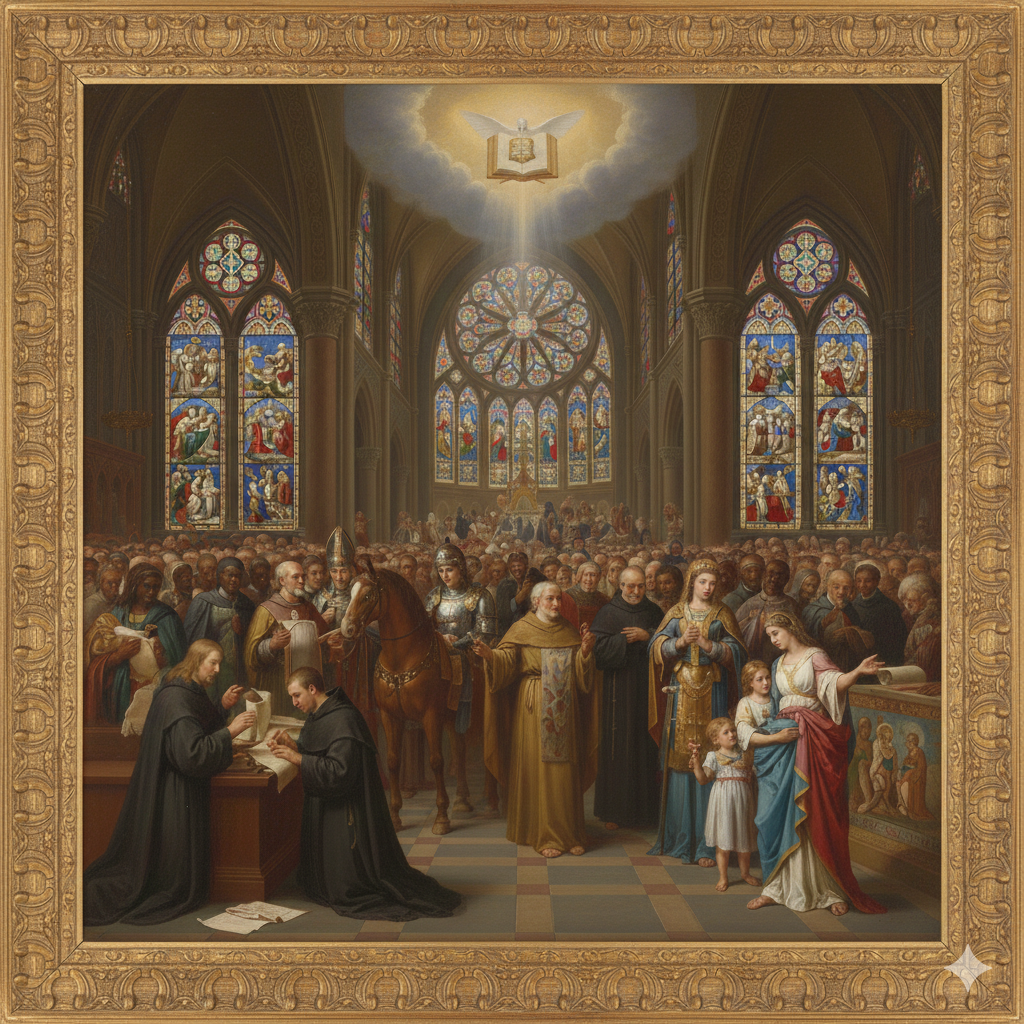
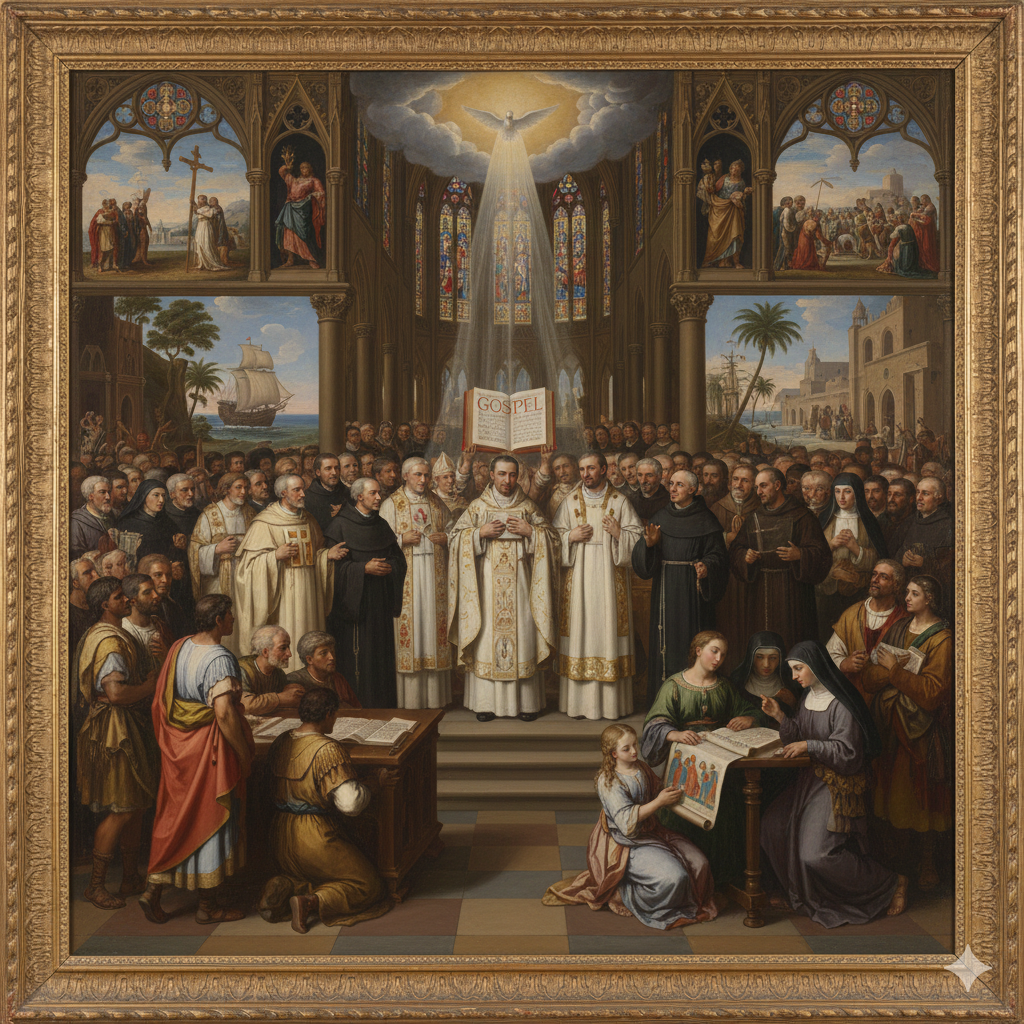
Apologetics comes from the Greek word apologia, which means “a defense” or “a reasoned
explanation.” In the Catholic context, apologetics is the practice of explaining and defending the
teachings of the Catholic Church using reason, Scripture, and history.
Apologetics is not about arguing or attacking others, but about:
- Clarifying misunderstandings about Catholic beliefs
- Giving thoughtful and truthful answers to honest questions
- Helping Catholics better understand and articulate their faith
As St. Peter writes:
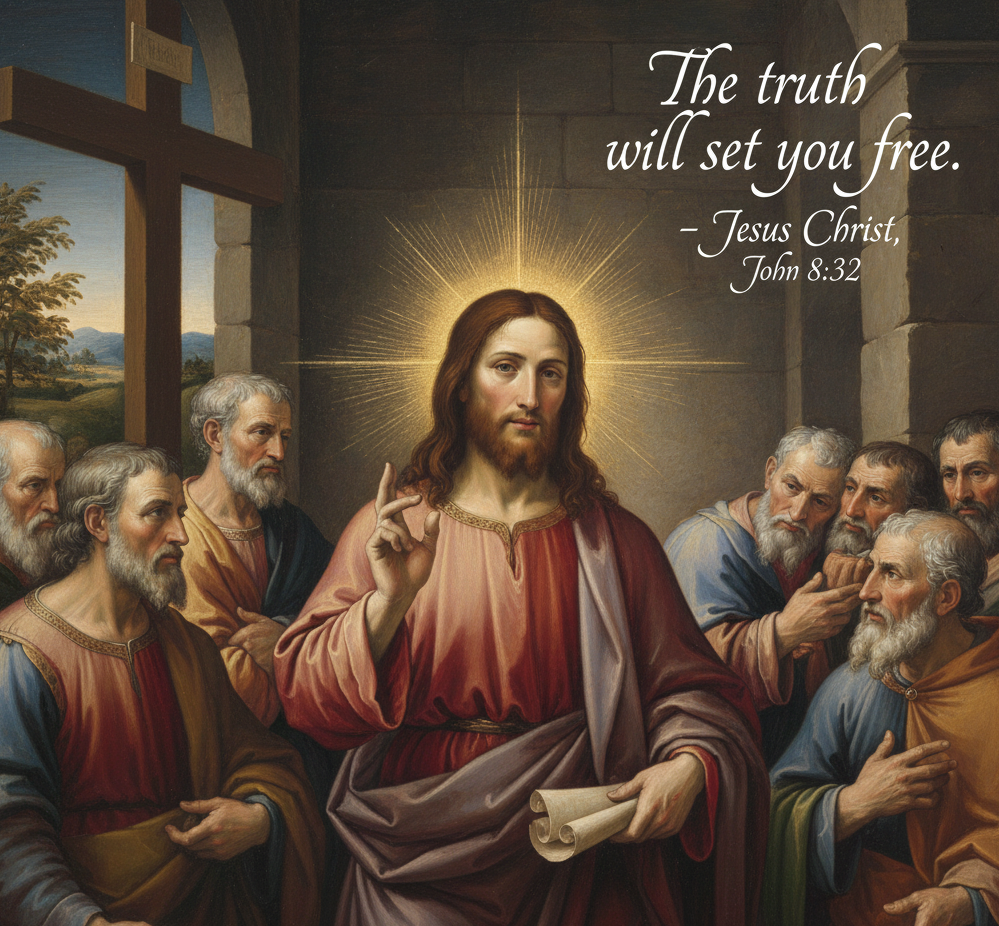
“Always be prepared to make a defense (apologia) to anyone who calls you to account for the hope
that is in you, yet do it with gentleness and reverence.”
(1 Peter 3:15)
Why Apologetics Matters
Many objections to Catholicism arise from misunderstandings, incomplete information, or false
assumptions. Apologetics helps by:
- Showing that Catholic teachings are biblical
- Demonstrating that they are rooted in early Christian history
- Explaining how faith and reason work together
For Catholics, apologetics strengthens personal faith and helps believers explain what the Church actually
teaches, rather than what others may claim it teaches.
Catholic Apologetics vs Debate
Catholic apologetics is not about “winning arguments.”
Its goal is truth and charity.
True apologetics:
- Respects the dignity of every person
- Seeks understanding rather than confrontation
- Presents the faith clearly and calmly
As the Church teaches, truth should always be proposed with love, patience, and humility.
Sources of Catholic Apologetics
Catholic apologetics draws from:
- Sacred Scripture
- Sacred Tradition
- The Magisterium (teaching authority of the Church)
- Writings of the Early Church Fathers
Together, these show that Catholic beliefs are not inventions, but are part of the faith handed down from the apostles.
Common Objections and Accusations Against the Catholic Church
Many objections to Catholicism arise from differences in theology, history, and biblical interpretation. Catholic apologetics seeks to clarify what the Church actually teaches, using Scripture, history, and reason, while maintaining charity and respect.
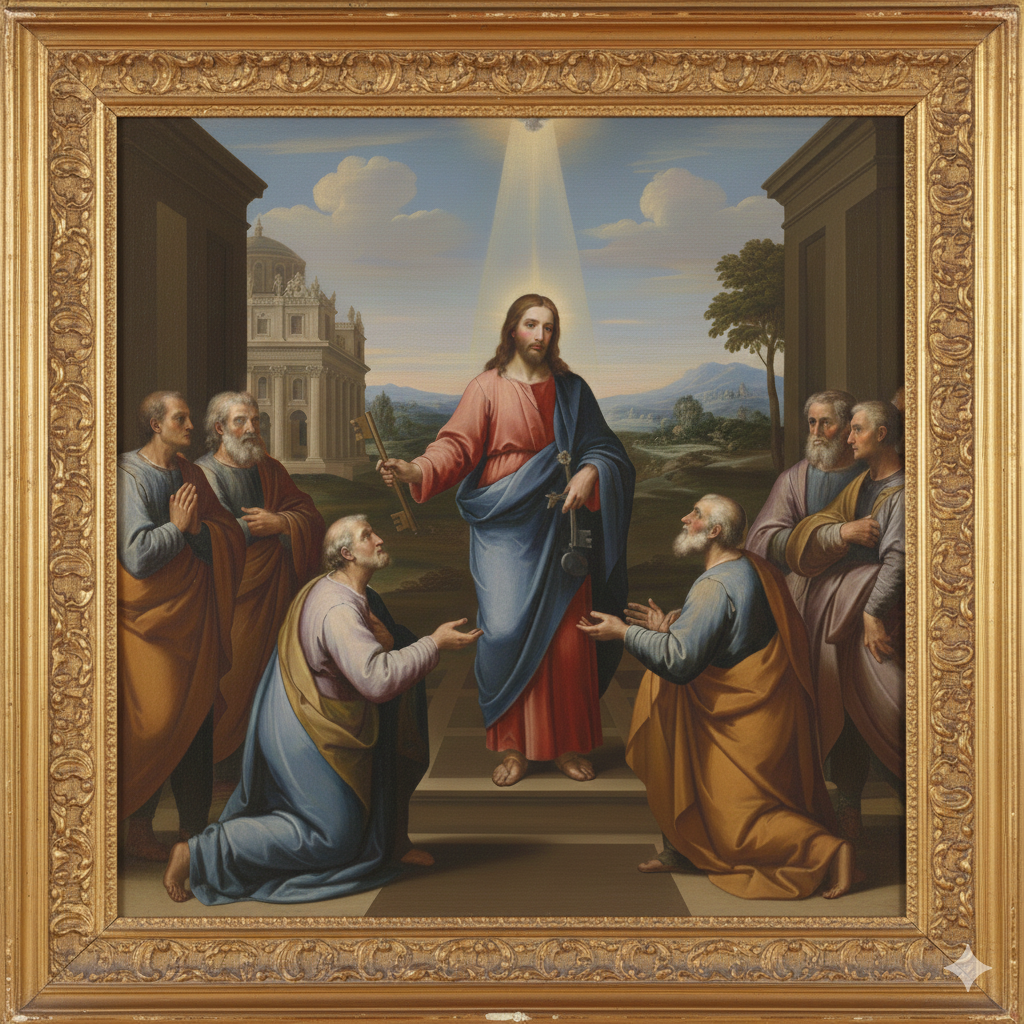
Authority & Revelation
- “The Catholic Church is not biblical”
- “Scripture alone (Sola Scriptura) is the only authority”
- “The Church places tradition above the Bible”
- “The Pope replaces Christ as head of the Church”
- “The Pope is always right / cannot be questioned”
- “The Church invented doctrines over time”
- “Catholics follow the Church instead of Jesus”
- “Church authority is man-made”
- “Councils and creeds are unbiblical”
- “The Magisterium limits personal reading of Scripture”
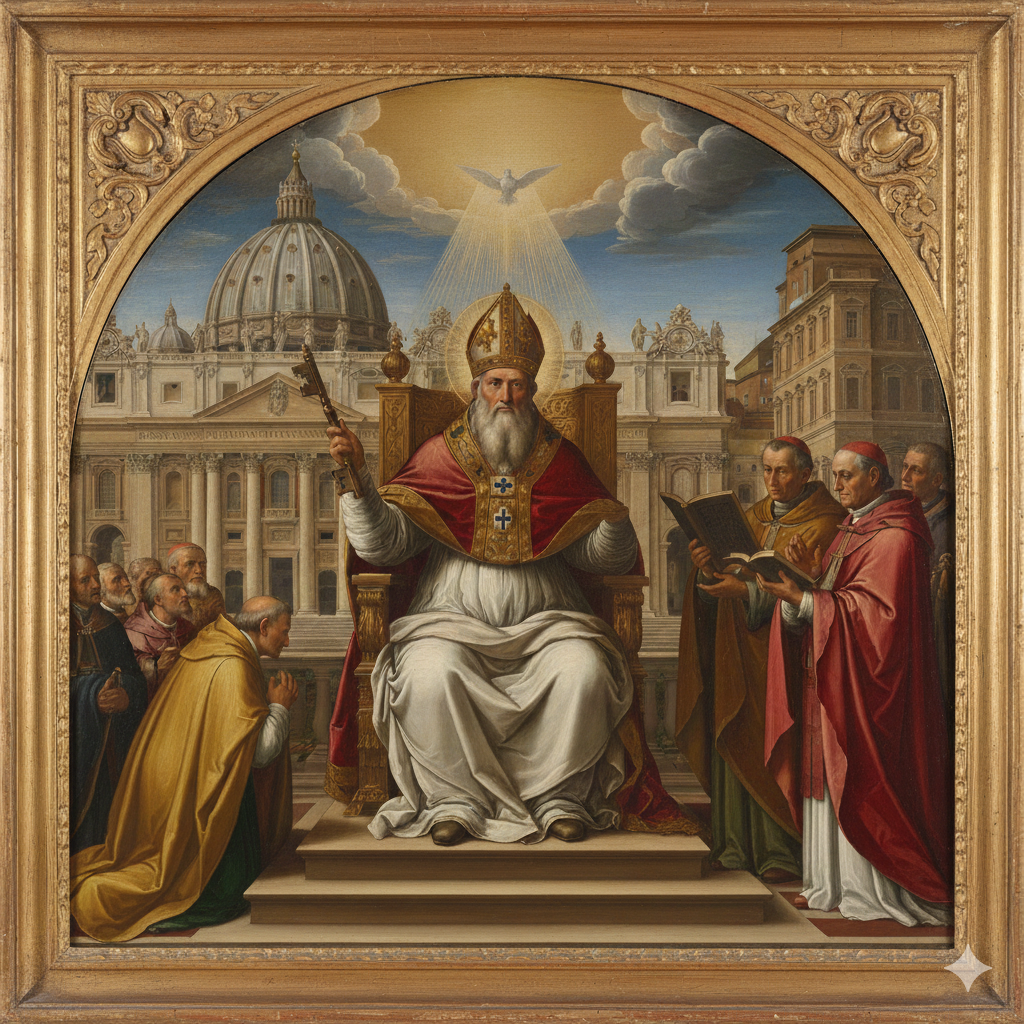
The Papacy
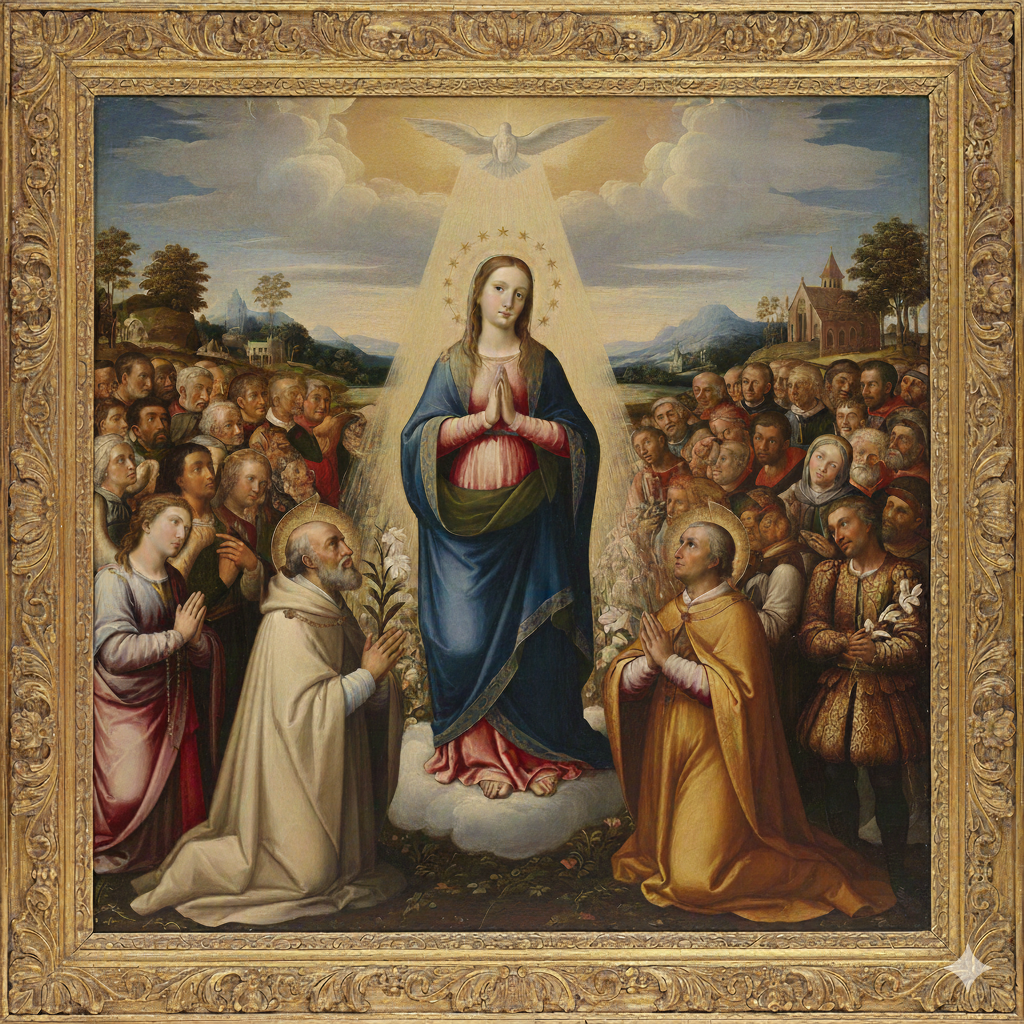
Mary (Marian Doctrines & Devotion)
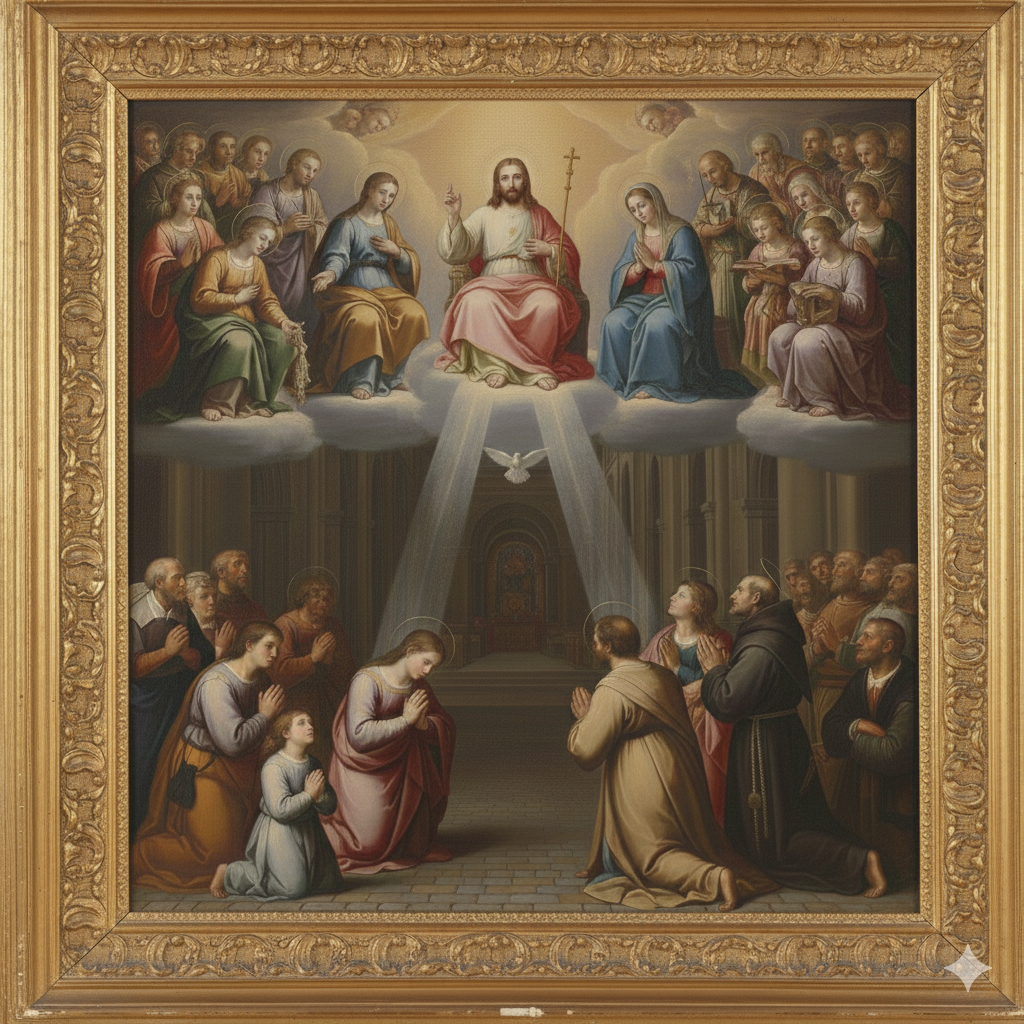
Saints & Intercession
- “Praying to saints is necromancy”
- “The dead cannot hear our prayers”
- “There is only one mediator, so saints are unnecessary”
- “Saints replace Jesus”
- “Veneration of saints is idol worship”
- “Relics are pagan”
- “Statues and images are forbidden”
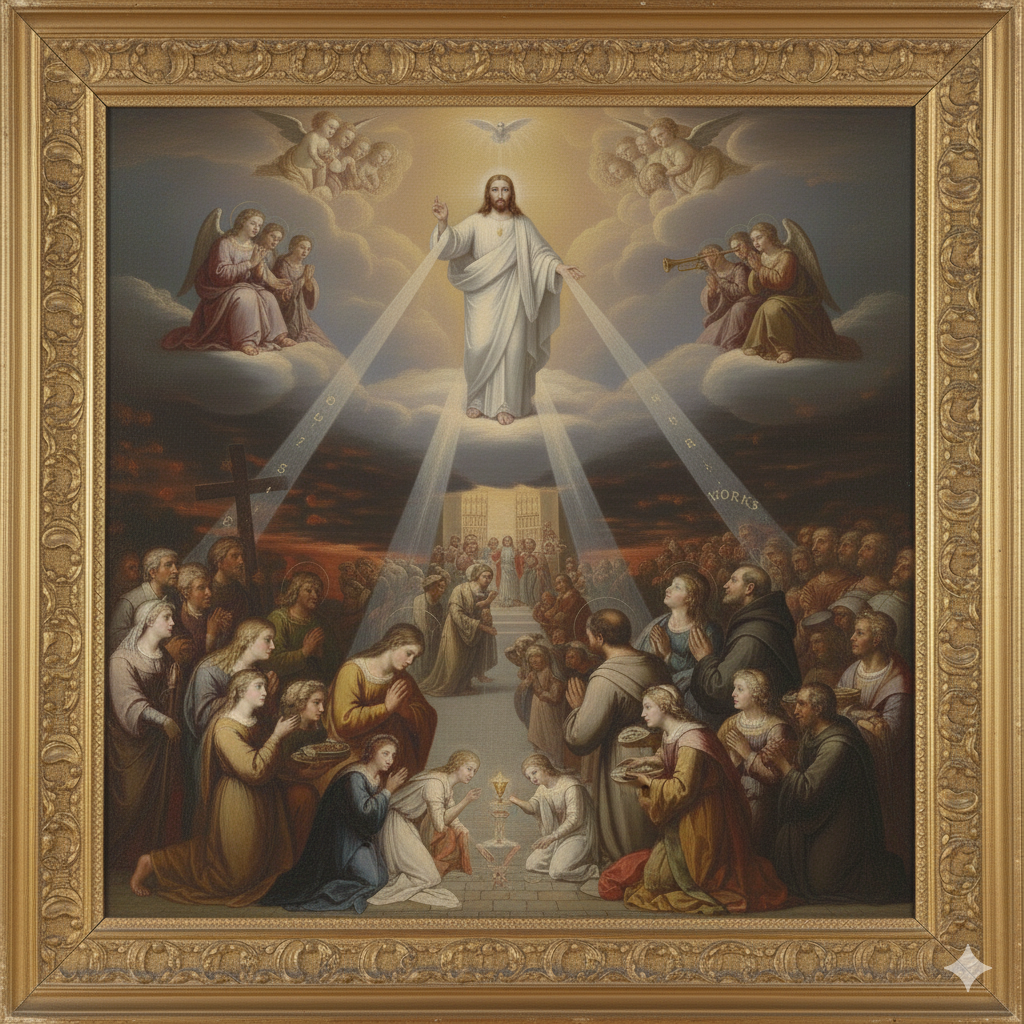
Salvation (Faith, Grace, Works)
- “Catholics believe salvation is earned by works”
- “Faith alone saves (Sola Fide)”
- “Grace is not emphasized enough in Catholicism”
- “Baptism is a work and therefore unnecessary”
- “You can lose your salvation in Catholic teaching”
- “Assurance of salvation is denied”
- “Catholics deny justification by faith”
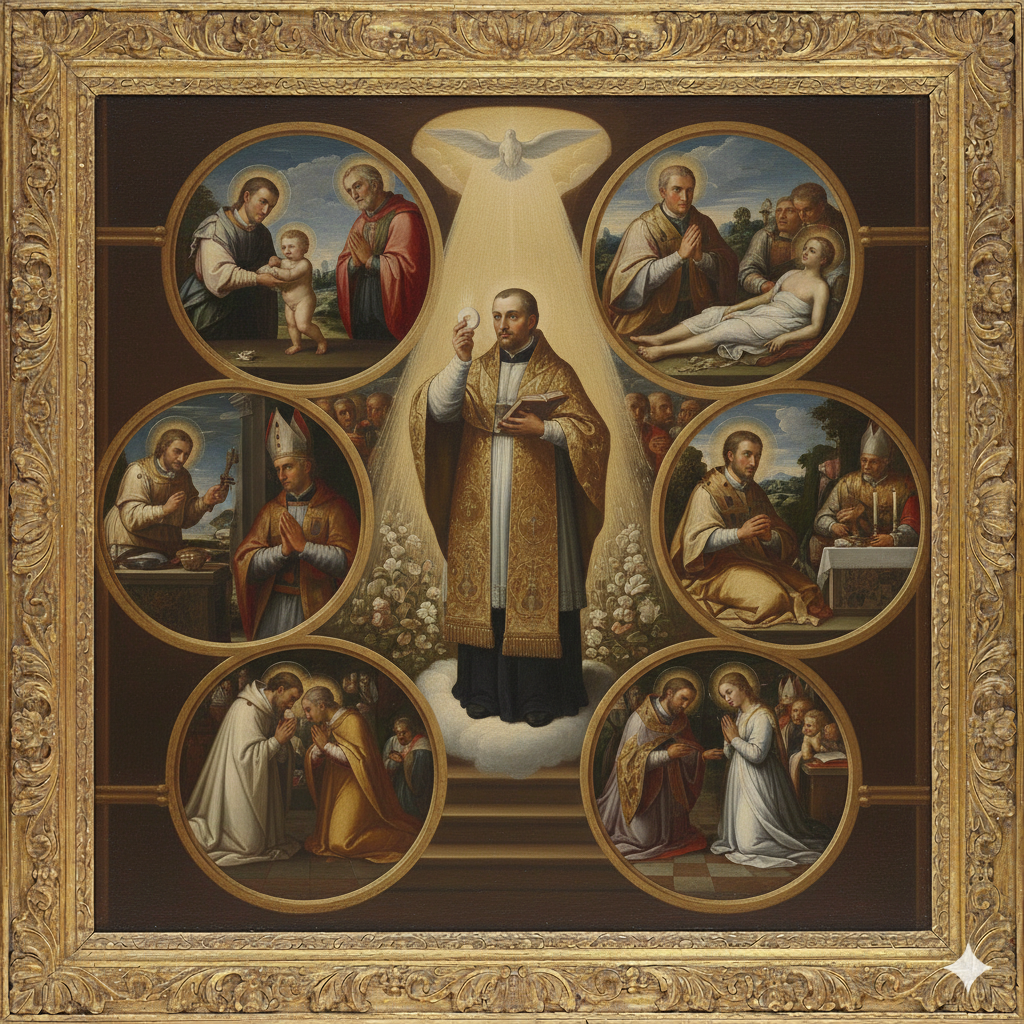
Sacraments
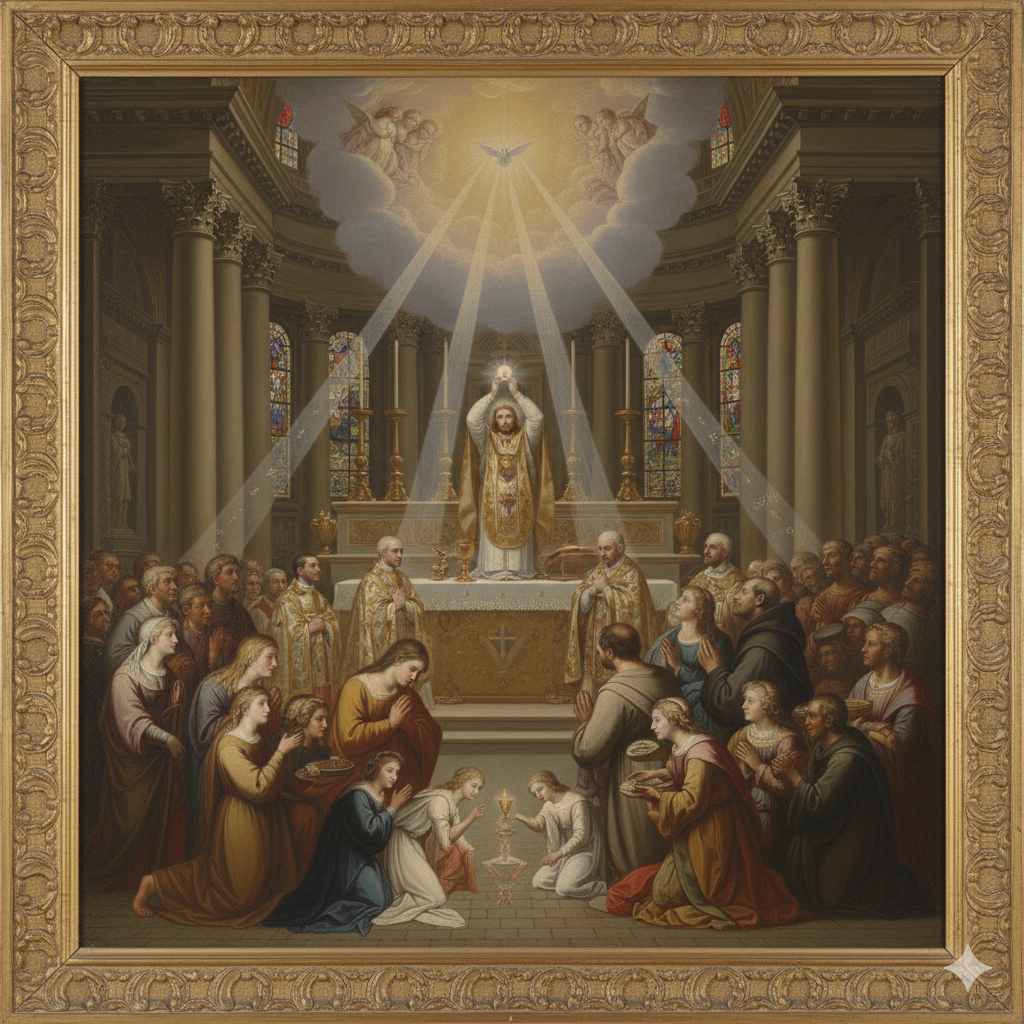
The Eucharist & the Mass
- “The Eucharist is only symbolic”
- “Jesus did not mean ‘This is My Body’ literally”
- “The Mass re-sacrifices Jesus”
- “The Mass replaces the Cross”
- “Transubstantiation is a philosophical invention”
- “Eucharistic adoration is idolatry”
- “The priest acts as a mediator instead of Christ”
- “Catholic worship is ritualistic, not spiritual”
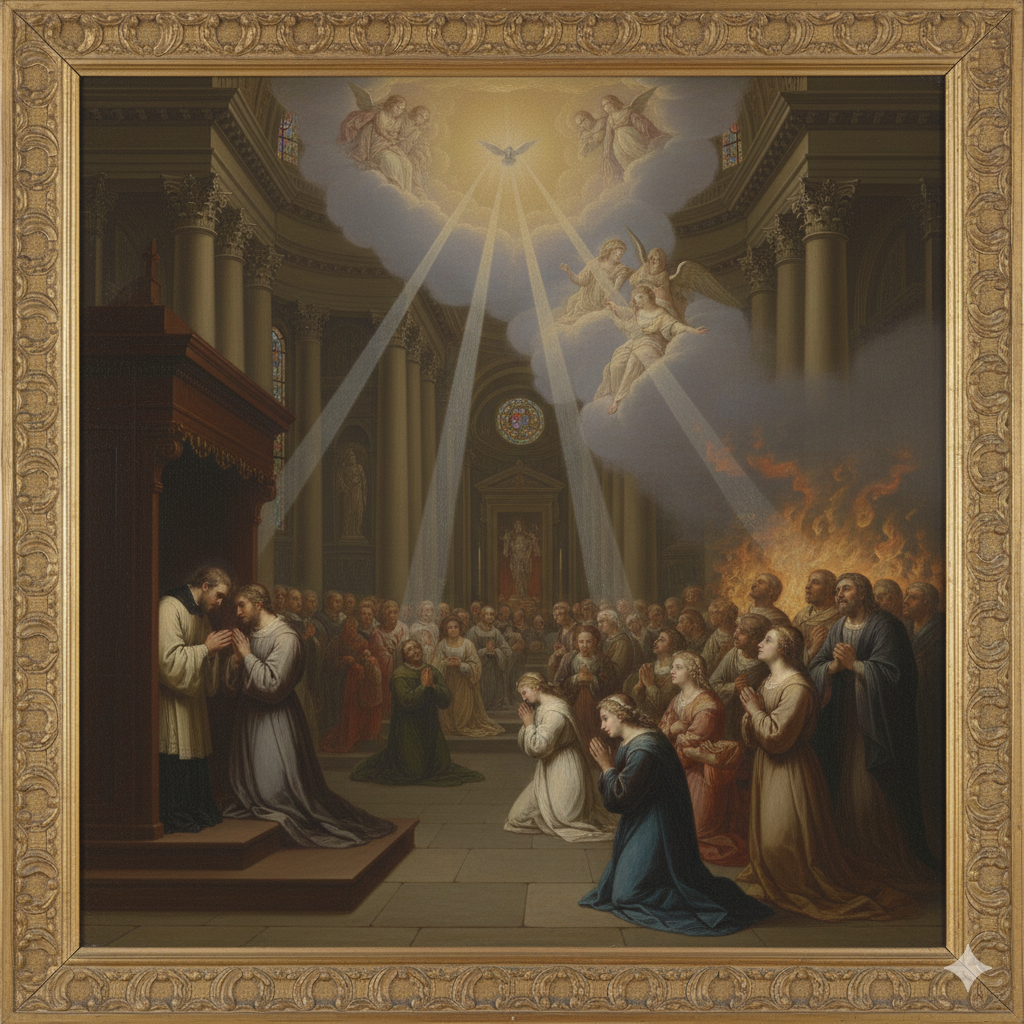
Confession, Penance, and Purgatory
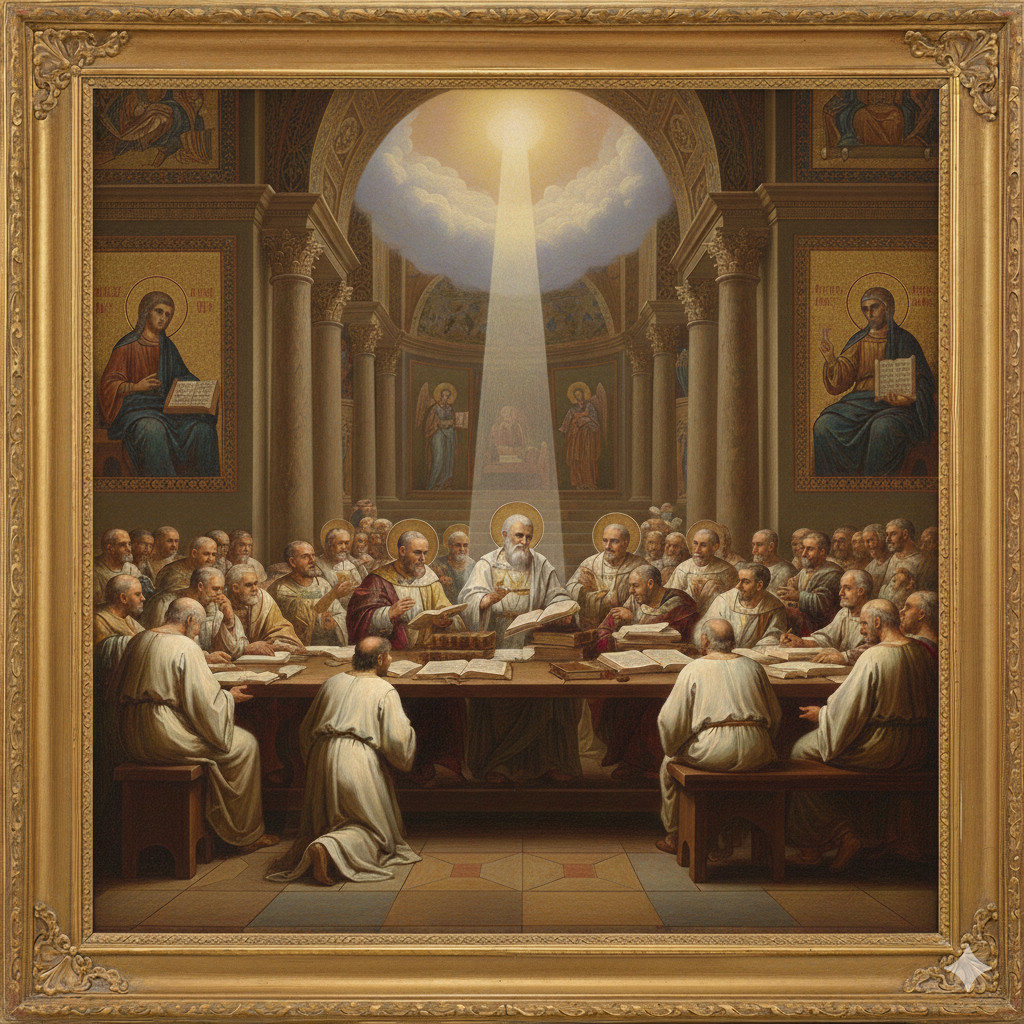
The Bible (Canon & Interpretation)
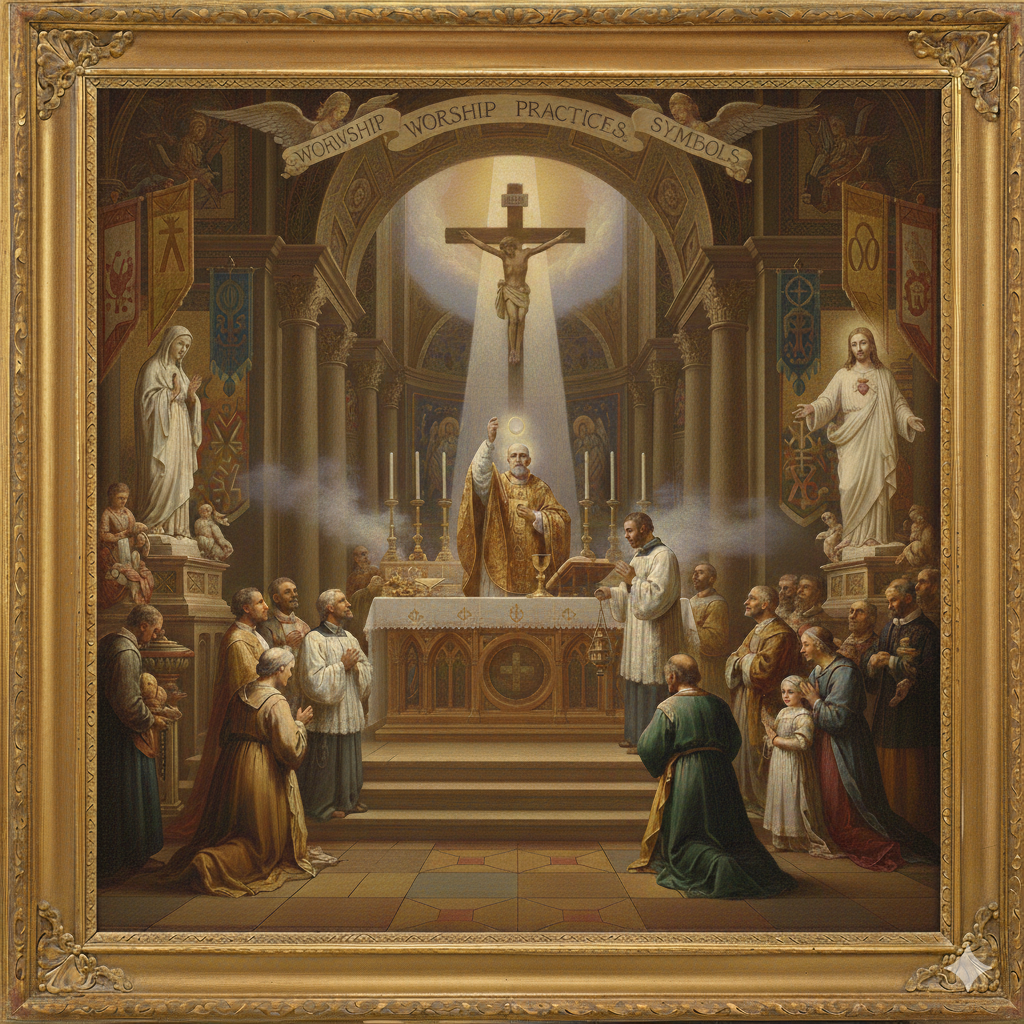
Worship Practices & Symbols
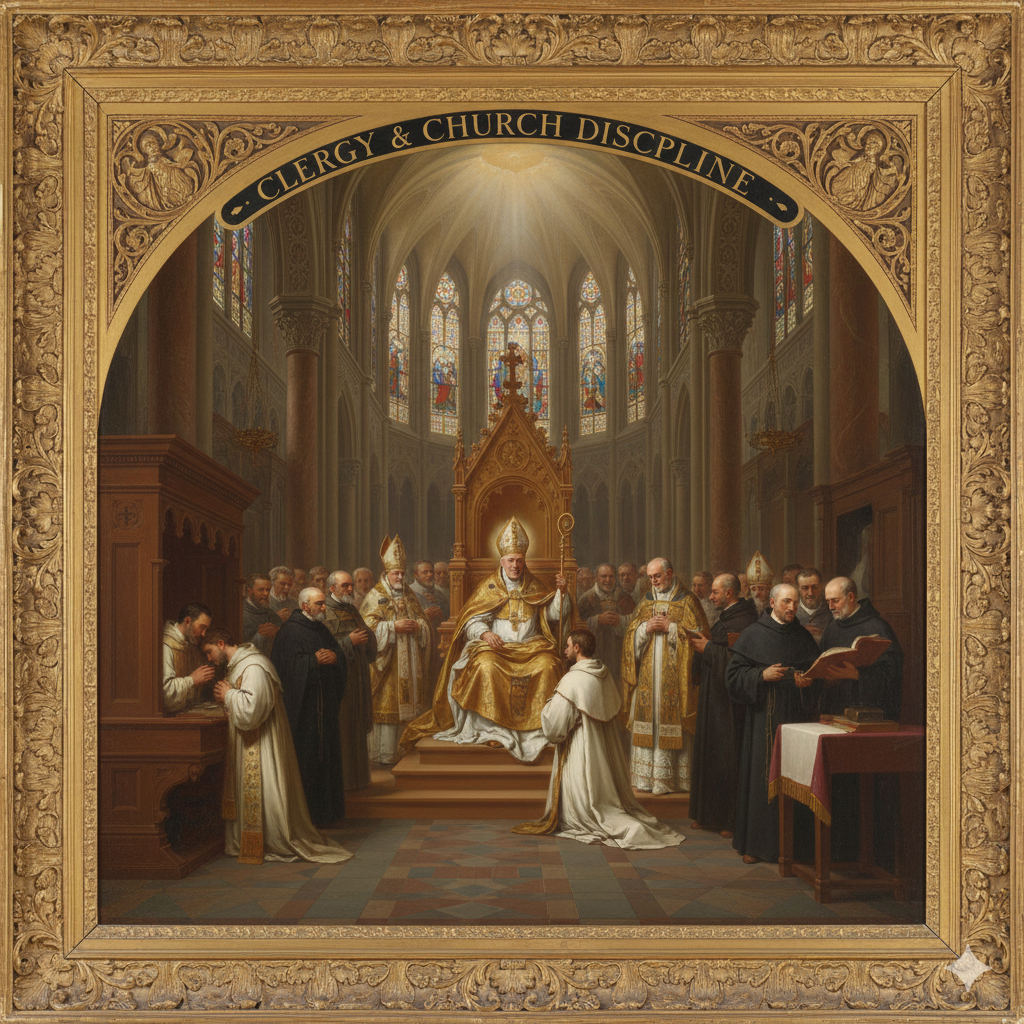
Clergy & Church Discipline